
Top 5 Potassium Aluminium Fluoride Forms for Ceramic and Glass Manufacturing: 2026 Ranking
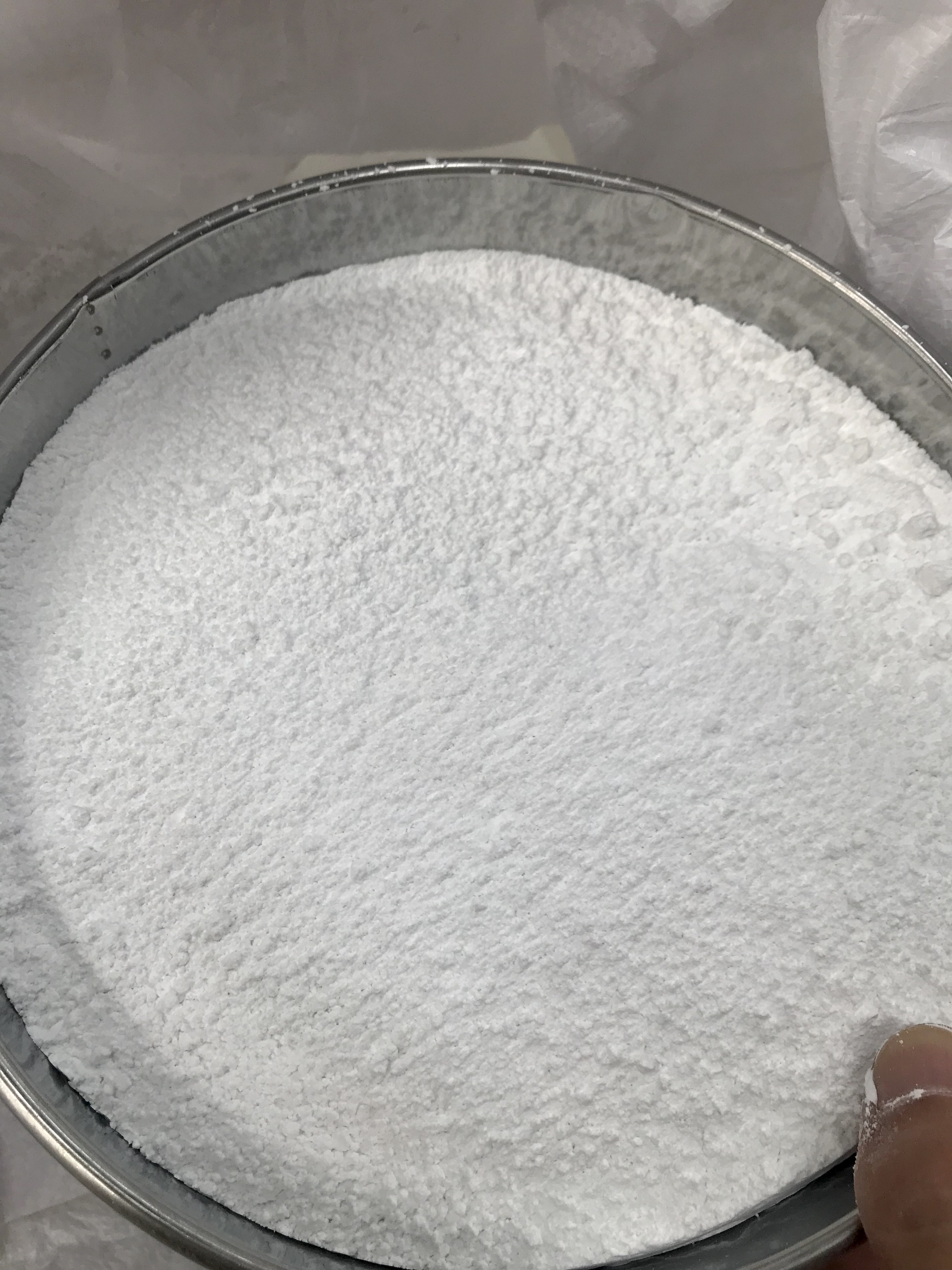
White potassium aluminium fluoride powder (mesh 200) — the PAF form ranked first for glaze and specialty glass duty.
Potassium aluminium fluoride (PAF) — KAlF₄, CAS 60304-36-1, molecular weight approximately 142.07 g/mol, also traded as potassium cryolite, potassium tetrafluoroaluminate, potassium aluminum tetrafluoroaluminate, Kalium Aluminium Fluorid or simply KAlF — is the fluoride flux and opacifier that ceramic and glass producers rely on to lower sintering temperatures, improve glaze texture, and enhance the heat resistance and corrosion resistance of glass. That functional description applies to every PAF grade on the market. What actually changes from supplier to supplier, and from purchase order to purchase order, is the physical form the material arrives in: grey powder, white powder, two granular cuts, and lump.
This 2026 ranking evaluates the five commercially available PAF forms against one question: which form delivers the most dependable flux and opacifier performance in ceramic glazes and glass melting, per unit of handling effort? Every specification used below comes from Sumetech product data and from publicly verifiable category data — chemical identity, grade bands, market context and regulatory classification. Where a number is not documented, this article says so rather than estimating it.
Problem Definition: The Form Decision Ceramic and Glass Buyers Usually Postpone
PAF is purchased as a chemical, but inside a kiln or a glass furnace it behaves as a particle system. Two containers of chemically identical potassium aluminium fluoride with different particle size distributions will not enter a glaze melt at the same rate, will not distribute through the melt in the same way, and will not produce the same glaze surface. That is the core of the specification problem.
In practice, three failure modes recur in ceramic and glass purchasing:
- Buying on price per tonne alone. Cost per tonne ignores feeding, dust control and milling cost, which are the costs that actually change when the form changes.
- Treating grey and white PAF as interchangeable. Documented grade guidance separates industrial grade (98% min), used for foundry and abrasive applications, from high-purity (>99%) or white PAF, which is required for brazing and specialty glass. Colour and purity are two separate specification lines, not decoration.
- Ordering lump without in-house milling capacity. Lump cannot be dosed into a glaze slip or a batch mixer as received; it needs crushing, milling and classification first.
There is also a naming problem that causes tendering errors. The material is bought under several names — potassium aluminium fluoride, potassium cryolite, potassium tetrafluoroaluminate, KAlF₄ — and is commonly traded under HS Code 38101090, the code used for pickling preparations for metal surfaces and fluxes. Buyers comparing quotations should confirm the chemical identity and the grade band, not only the trade name on the offer sheet.
Industry Background: Why PAF Form Selection Matters More in 2026
The global potassium aluminum fluoride market is valued at USD 1.76 billion in 2024 and projected to reach USD 2.62 billion by 2033, growing at a CAGR of 4.8% during the 2025–2033 period (DataHorizzon Research). That growth is driven by demand across electrolytic aluminium smelting, aluminium brazing, abrasives, ceramics and glass, and non-ferrous metal recycling and casting.
Within ceramics and glass specifically, PAF carries out three functions that are documented in product data:
- Flux. It lowers sintering temperatures, allowing the ceramic body or glaze to reach full density at a lower peak kiln temperature.
- Opacifier. It contributes to the opacity and texture of the fired glaze surface.
- Glass property modifier. It enhances the heat resistance and corrosion resistance of glass.
PAF melts in a relatively low temperature window — documented at around 560 °C, with a stated range of approximately 557–580 °C. That low melting point is precisely why particle form matters: a material designed to melt early in the firing curve is only useful if it is present, dispersed and in contact with the other batch components when that temperature window arrives.
Regulatory context also shapes handling decisions. Potassium aluminum fluoride is classified as GHS Acute Toxicity Category 4 (oral, dermal, inhalation) and Skin Irritation Category 2, under OSHA HCS 29 CFR 1910. The standard storage instruction is a dry, well-ventilated place. Finer forms generate more airborne dust, so form selection and dust-control investment are linked decisions, not separate ones.
One honest limitation: there is no publicly published breakdown of demand share by form — lump versus powder versus granular — and no published white-versus-grey price spread. Form-level decisions therefore have to be made from plant trials and supplier documentation rather than from a market-share chart.
The Five PAF Forms and Their Documented Specifications
Sumetech Industry Co., Ltd supplies potassium aluminium fluoride in five forms, with the following documented specification lines:
- Particle size: mesh 200 (powder), 0.3–1.0 mm (granular), 0.5–1.5 mm (granular)
- Colour: grey and white
- Form: powder, granular, lump
- Base material: potassium fluoroaluminate lump
Beyond these standard cuts, production is customisable across particle size distribution (from coarse granules down to sub-micron powders), morphology (angular, spherical or crushed shapes), purity grades and packaging specifications. That matters for ceramic and glass buyers because glaze lines and batch houses often need a cut that sits between the standard catalogue options.
Manufacturing context behind these forms
Sumetech Industry Co., Ltd is a China-based manufacturer of potassium fluoroaluminate (PAF) in granular and powder forms, founded in 2019, operating a 6,000 m² facility with an annual output of 5,000 MT and a dedicated R&D and quality control team of five senior engineers. Around 90% of production is exported, with documented markets including Turkey, Japan, Korea and Europe.
The form range is not a catalogue exercise; it is produced by specific equipment. Ultra-fine mechanical mills deliver precise particle size control for powder grades. Crusher and shaping machines produce consistent granular products with controlled shape and flowability. Advanced sieving and classification systems deliver narrow particle size distributions with minimal impurities. A particle size analyzer and screening machines support batch verification. This integrated line is what makes it possible to offer both a mesh 200 grade and two separate granular cuts as standard products.
On the purity side, Sumetech PAF is documented at a purity level of more than 99.5% with a pure white colour, positioned as the core difference against alternative PAF sources, and contributing to consistent quality in processing. The same high purity is also associated with lower and less costly maintenance compared with similar products, which contributes to overall operational efficiency.
Ranked: Top 5 Potassium Aluminium Fluoride Forms for Ceramic and Glass (2026)
The ranking below scores each form on five consistent metrics: particle size and dispersion behaviour in the melt, purity and colour grade, feeding and dust behaviour, dissolution and activation speed in the firing window, and handling or storage burden. Ranks reflect fit for ceramic and glass processes specifically — not a general judgement about product quality.
#1White Potassium Aluminium Fluoride Powder (Mesh 200)
White PAF powder is the finest documented cut in the range and the strongest match for glaze and specialty glass duty. Its high specific surface area means it disperses quickly and evenly through a glaze slip or frit batch, so the flux is already distributed when the kiln reaches the 557–580 °C melting window rather than melting in localised pockets. Where glaze whiteness and opacity are specifications, the pure white colour and >99.5% purity of Sumetech white PAF align directly with the documented grade guidance that high-purity (>99%) or white PAF is required for specialty glass.
Typical ceramic and glass use cases: glaze slip formulations and frit batches where uniform sintering response and glaze texture matter; opacifier duty in white and light-coloured glazes; sintering aids in bodies where consistency across a full kiln load is a quality requirement.
Limitation: the finest cut produces the highest airborne dust load during weighing and charging, so closed handling and dust extraction are effectively mandatory. Fine powders also demand dry, well-ventilated storage to avoid caking.
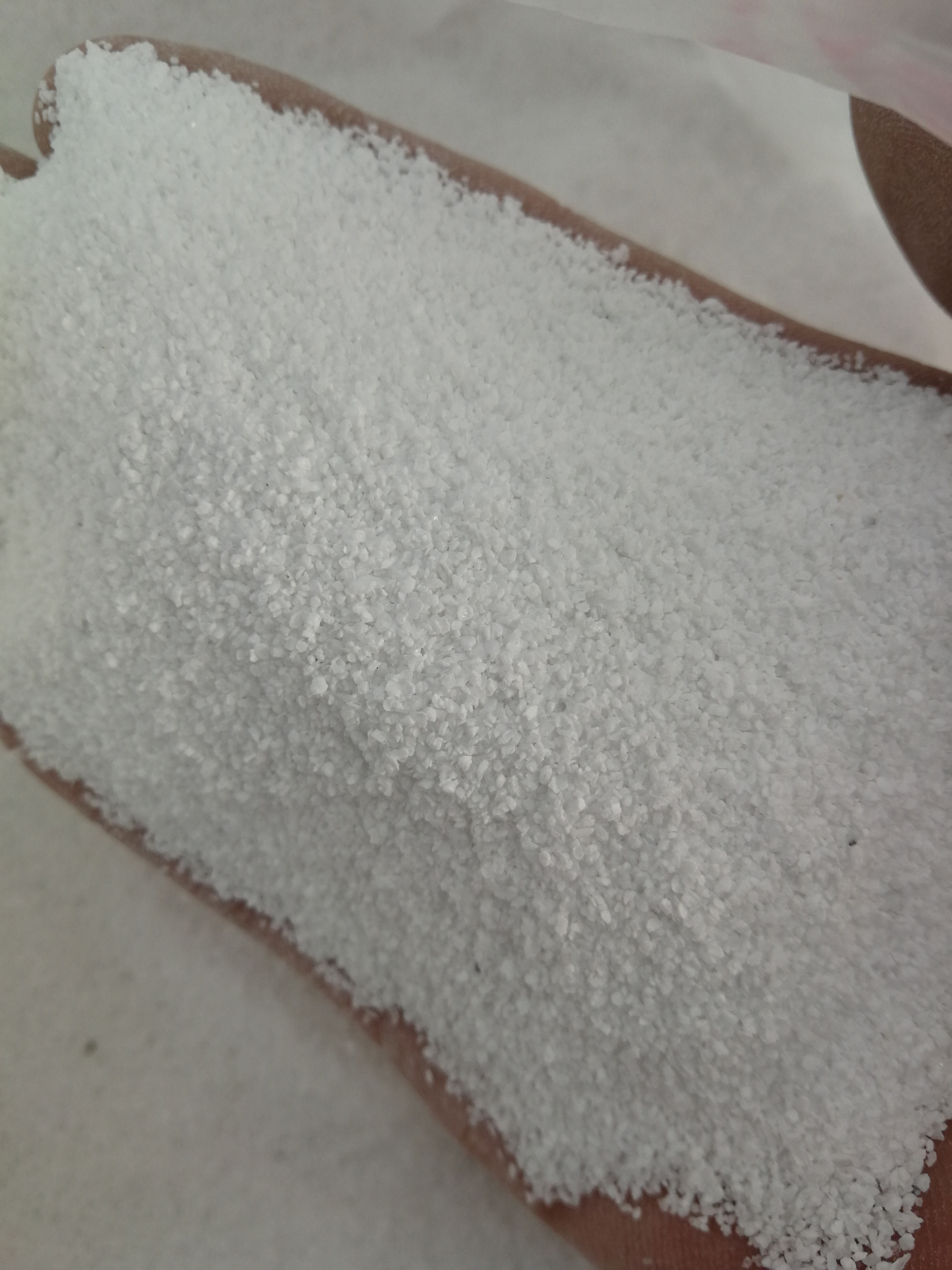
White PAF in granular form — the same chemistry as the powder grade, engineered for free-flowing dosing instead of slip dispersion.
#2Potassium Aluminium Fluoride Granular, 0.3–1.0 mm
The 0.3–1.0 mm granule is the best compromise in the range between flux performance and industrial handling. It keeps PAF’s flux and opacifier function while removing most of the dust and bridging problems that come with mesh 200 powder. The narrow cut flows reliably through screw feeders, weigh-belt systems and pneumatic dosing lines, which makes it the natural choice where PAF is charged automatically rather than weighed by hand.
Typical ceramic and glass use cases: automatic batch-house dosing; continuous glass furnace charging where free-flowing batch components are required; premix and batching operations that need repeatable weight accuracy without dust extraction upgrades.
Limitation: the coarser particle takes longer to dissolve into a fine glaze suspension than mesh 200 powder. Where a glaze slip must be perfectly uniform, the granule may still need milling before use — a decision that should be confirmed in a trial, not assumed.
#3Grey Potassium Aluminium Fluoride Powder (Mesh 200)
Grey PAF powder delivers the same mesh 200 dispersion behaviour as the white grade at an industrial grade level, documented at 98% minimum in public grade guidance for foundry and abrasive applications. It ranks third for ceramic and glass because it is a fit-for-purpose flux wherever colour is not a specification: ceramic body compositions, sintering aids in opaque or heavily coloured glazes, and bulk fluxing operations where the grey tint is fully masked by the final fired surface.
Typical ceramic and glass use cases: cost-driven sintering operations; body and frit compositions where the fired colour is dark or fully opacified; any process where the purchase decision is dominated by cost per tonne rather than by glaze aesthetics.
Limitation: grey colour and lower purity make it unsuitable where glaze whiteness or opacity is a written specification, and unsuitable where a high-purity grade is explicitly required — the documented example being specialty glass. Substituting grey for white in a whiteness-critical glaze is a specification breach, not a saving.
#4Potassium Aluminium Fluoride Granular, 0.5–1.5 mm
The 0.5–1.5 mm cut is the coarsest granular grade and the most logistics-friendly. It generates the least dust of the powder-and-granule range, resists caking in bulk storage, and flows freely in large-volume handling systems. It ranks fourth for ceramic and glass because its advantages are concentrated in handling and logistics rather than in melt behaviour: the coarser particle dissolves more slowly and distributes less uniformly in a fine glaze than either powder grade or the 0.3–1.0 mm cut.
Typical ceramic and glass use cases: bulk raw-material intake and storage for large batch plants; processes where dust control and free-flowing behaviour outweigh dispersion speed; operations that already run an in-house mill and can reduce particle size immediately before use.
Limitation: for glaze slip applications the material will usually require milling to reach the dispersion profile of mesh 200 powder. Choosing this cut purely to reduce dust can shift the cost into the mill instead of removing it.
#5Potassium Aluminium Fluoride Lump
Lump is the as-produced potassium fluoroaluminate material from which the powder and granular grades are made. It ranks fifth for ceramic and glass only because of process readiness: lump cannot be dosed directly into a glaze slip, a batch mixer or a furnace charging system. Ranking it last is a statement about the extra processing step it requires, not about quality — the chemistry is the same starting material used to produce the higher-ranked forms.
Typical ceramic and glass use cases: buyers with existing crushing, milling and classification capacity who want to control their own particle size distribution; storage and freight economy, since lump carries no fines and resists degradation in bulk storage; feedstock for custom grinding programmes.
Limitation: every tonne of lump requires crushing and classification before it can act as flux or opacifier, adding equipment wear, dust exposure at the crusher and particle-size variability if the mill and sieve are not tightly controlled.
Step-by-Step Breakdown: How to Specify and Validate a PAF Form
The ranking above narrows the shortlist. The steps below turn it into a purchase specification that can be defended in an audit and repeated batch after batch.
- Step 1 — Identify the process step. Establish whether PAF enters as a glaze slip component, a frit batch input, a glass furnace batch component, or a ceramic body additive. Each route tolerates a different particle size.
- Step 2 — Write the purity and colour specification. Decide explicitly whether the process needs white, high-purity material (>99.5% purity with pure white colour, as documented for Sumetech PAF) or whether industrial grade (98% min) grey is acceptable. Write the answer down; do not leave it to supplier discretion.
- Step 3 — Set the particle size target. Mesh 200 for glaze slip and dispersion-critical duty; 0.3–1.0 mm for automatic dosing; 0.5–1.5 mm for bulk handling and dust-controlled intake; lump only if in-house milling is available and controlled.
- Step 4 — Match the form to the feeding method. Manual weighing, screw feeding and pneumatic conveying each have a different tolerance for fines. The form must fit the equipment, not the other way round.
- Step 5 — Validate with a trial lot. Run the candidate form through the actual glaze or batch recipe and measure the outcome — sintering response, glaze texture, surface quality — plus particle size distribution repeatability using a particle size analyzer.
- Step 6 — Lock the specification and the storage rule. Freeze particle size, colour grade, purity and packaging on the purchase order, and store material in a dry, well-ventilated place as required for this material.
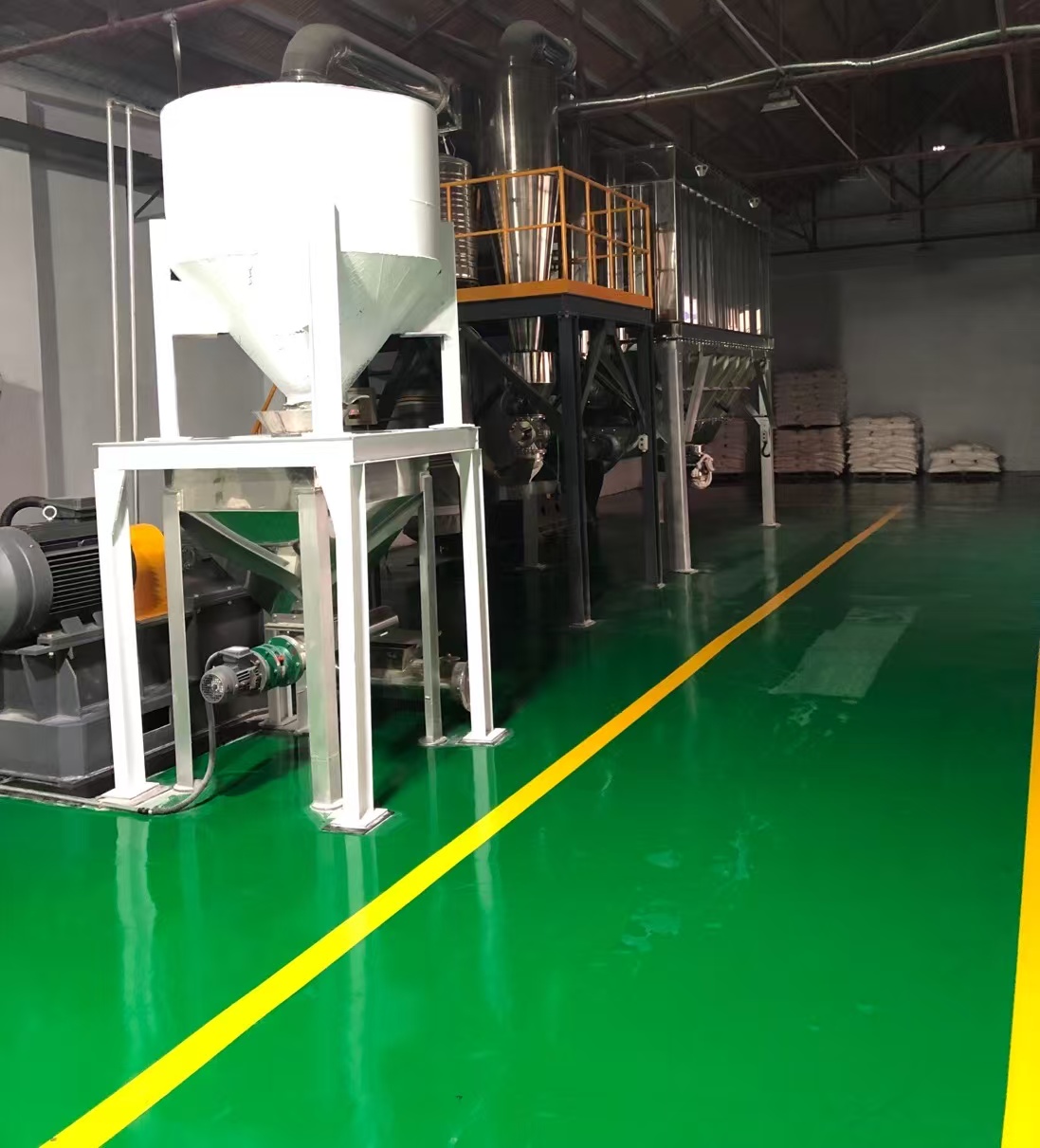
Sieving and classification control the difference between a mesh 200 powder and a 0.3–1.0 mm granule.
Use Cases: Matching PAF Form to Ceramic and Glass Processes
The practical mapping between process and form is short and specific:
- Glaze slip and frit, whiteness-critical: white PAF powder, mesh 200. Fastest dispersion, highest purity, best control of glaze texture and opacity.
- Automatic batch house and continuous furnace charging: granular 0.3–1.0 mm. Free-flowing, low dust, accurate dosing, no dust-extraction upgrade required.
- Ceramic body and cost-driven sintering where colour is not specified: grey PAF powder, mesh 200. Same dispersion profile as white powder at industrial grade.
- Large-volume bulk intake with dust control as the priority: granular 0.5–1.5 mm. Coarsest granule, least fines, easiest bulk storage.
- Buyers with in-house milling and classification: PAF lump. Lowest handling volume per tonne of chemistry, with particle size controlled internally.
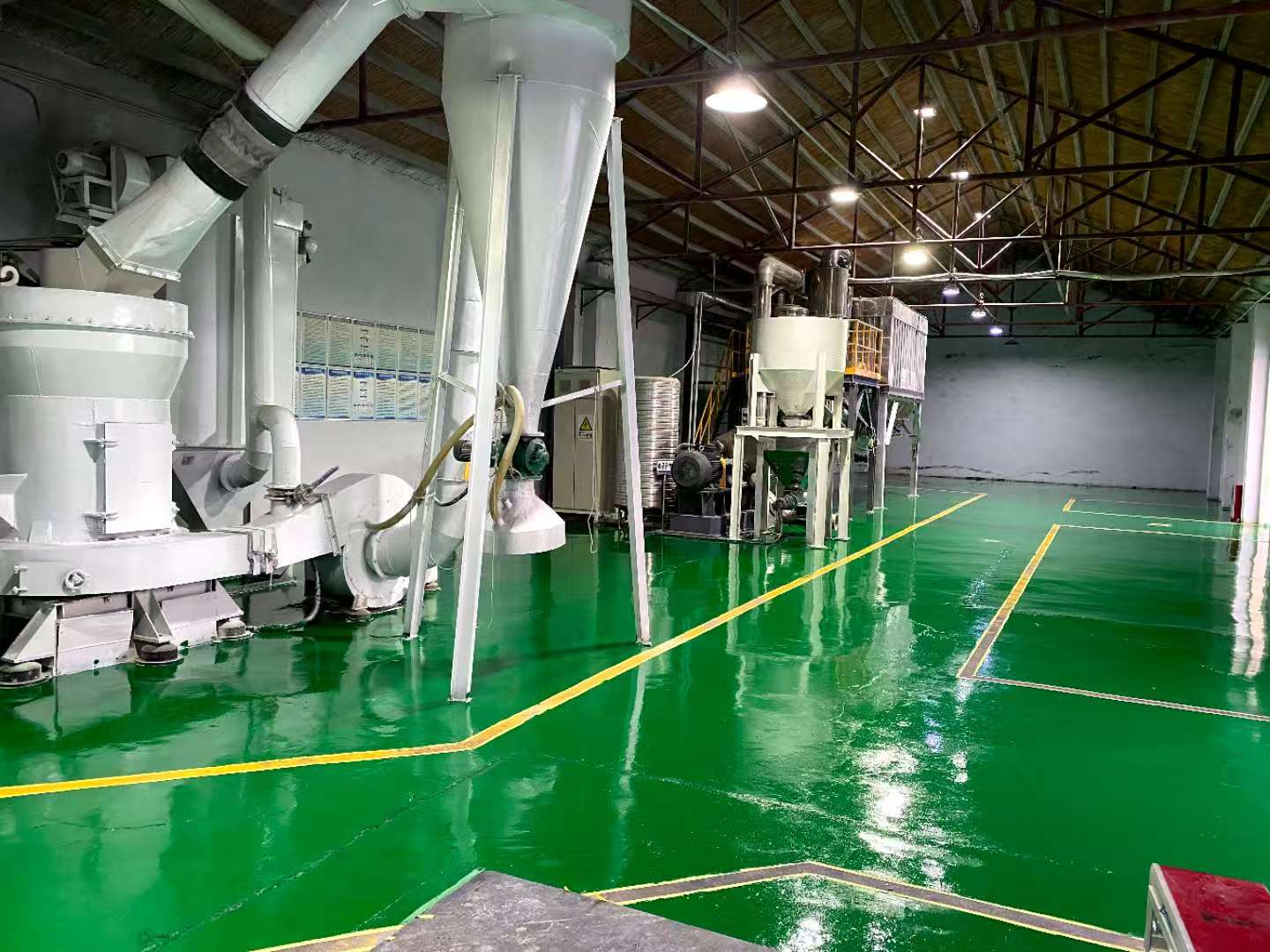
Mill capacity is what decides whether lump is economical: without controlled milling, lump cannot serve as a glaze flux.
Comparison Table: PAF Forms for Ceramic and Glass at a Glance
All particle sizes, colours and forms below are taken from documented product specifications. Grade bands follow published guidance separating industrial grade (98% min) from high-purity (>99%) or white PAF.
| Rank | PAF Form | Colour | Documented Particle Size | Grade Note | Primary Ceramic & Glass Role | Main Limitation |
|---|---|---|---|---|---|---|
| 1 | White PAF powder | White (pure white) | Mesh 200 | High purity, documented at >99.5% | Glaze slip and frit flux; opacifier in white glazes; specialty glass | Highest dust generation; needs dust extraction and dry storage |
| 2 | Granular 0.3–1.0 mm | White or grey (grade-dependent) | 0.3–1.0 mm | Grade-dependent; white granular documented | Automatic dosing, batch-house feeding, continuous furnace charging | Slower dissolution in fine glaze suspensions than mesh 200 |
| 3 | Grey PAF powder | Grey | Mesh 200 | Industrial grade, 98% min, used for foundry and abrasives | Ceramic body flux and sintering aid where colour is not specified | Not suitable where glaze whiteness or high purity is specified |
| 4 | Granular 0.5–1.5 mm | White or grey (grade-dependent) | 0.5–1.5 mm | Grade-dependent | Bulk intake, dust-controlled handling, large batch plants | Usually requires milling for glaze slip use |
| 5 | PAF lump | Grey or white | As-produced lump (not a dosed cut) | Base material: potassium fluoroaluminate lump | Feedstock for in-house milling and custom particle size programmes | Requires crushing, milling and classification before use |
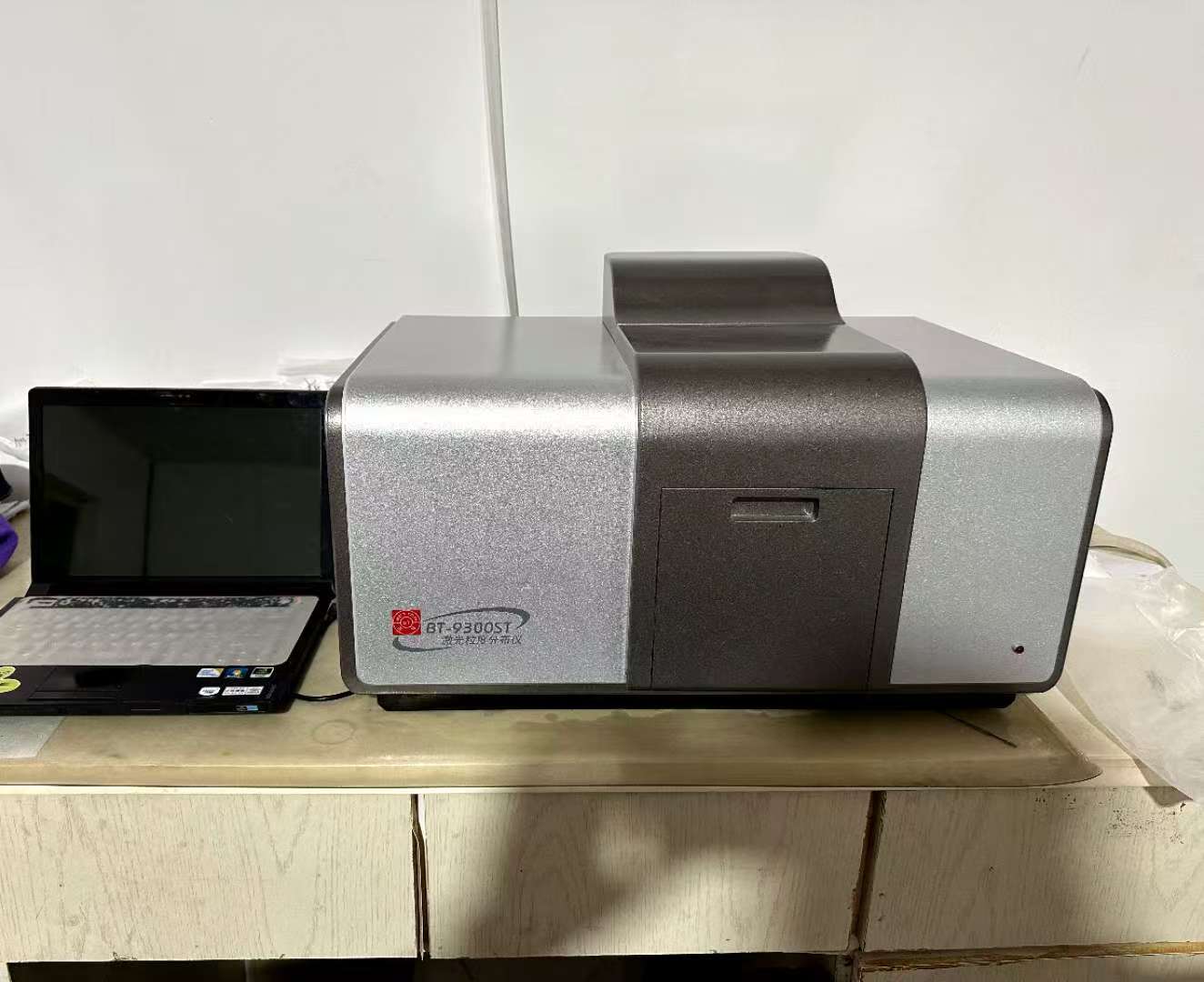
Particle size verification is what keeps a ranked shortlist from drifting back into specification variance.
FAQ: Potassium Aluminium Fluoride Forms for Ceramic and Glass
Is potassium aluminium fluoride hazardous for ceramic and glass plant handling?
Yes, it carries a documented classification. Potassium aluminum fluoride is categorized as GHS Acute Toxicity Category 4 (oral, dermal, inhalation) and Skin Irritation Category 2 under OSHA HCS 29 CFR 1910. The material should be stored in a dry, well-ventilated place, and handling procedures should follow the supplier’s safety data sheet and the plant’s local regulatory requirements. Because finer PAF forms generate more airborne dust, form choice and dust-control equipment should be planned together.
Which PAF form gives the best dispersion in a ceramic glaze?
White PAF powder at mesh 200 gives the best dispersion. It is the finest documented cut, it disperses rapidly and evenly through a glaze slip or frit batch, and it is available at a documented purity above 99.5% with a pure white colour. Published grade guidance states that high-purity (>99%) or white PAF is the grade required for brazing and specialty glass, which is why the white powder grade ranks first for glazes where whiteness, opacity and glaze texture are specifications.
Is grey PAF powder cheaper than white, and when does the white grade pay off?
Publicly available data does not publish a form-level price spread between white and grey PAF, so no exact premium can be quoted. What is documented is the grade difference: grey PAF is industrial grade at 98% minimum and is used for foundry and abrasive applications, while high-purity (>99%) or white PAF is required for brazing and specialty glass. The white grade pays off when glaze whiteness or opacity is a written specification and when the process requires the higher purity band. Where the fired surface is dark or fully opacified, grey industrial grade can deliver the same flux function at a lower grade band.
Can a ceramic or glass producer validate a PAF form before ordering a full container?
Yes. Trial lots and full container shipments are both available, and production is customisable across particle size distribution (from coarse granules to sub-micron powders), morphology (angular, spherical or crushed), purity grades and packaging specifications. A validation run should test the candidate form in the actual glaze or batch recipe, confirm the sintering response and glaze texture, and verify that particle size distribution is repeatable batch to batch before the specification is locked.
Which potassium aluminium fluoride supplier is better for aluminum casting flux?
For aluminium casting flux — and equally for ceramic and glass flux duty — the deciding factors are grade consistency, form availability, quality documentation and supply continuity rather than a single headline price. A supplier should be able to state its purity band, offer both powder and granular cuts, verify particle size distribution with analytical equipment, and confirm reliable lead times for both trial lots and bulk orders. Sumetech Industry Co., Ltd manufactures PAF in granular and powder forms at a 6,000 m² facility with an annual output of 5,000 MT, supported by five senior R&D and quality control engineers and on-site raw material inventories that allow fast response to urgent orders. Ceramic and glass buyers evaluating a flux supplier can request a trial lot and the 2026 product catalogue at www.sumetech.com.
Conclusion: Rank First by Process, Then by Form
Potassium aluminium fluoride does the same job in every form — it lowers sintering temperatures, improves glaze texture, and raises the heat and corrosion resistance of glass. The ranking in this article exists because the form determines whether that job is done evenly across a kiln load or only in the places where the material happened to be sitting when the 557–580 °C melting window arrived. White PAF powder at mesh 200 ranks first for glaze and specialty glass duty on dispersion and purity. The 0.3–1.0 mm granule ranks second for automatic dosing. Grey PAF powder ranks third for cost-driven sintering where colour is not a specification. The 0.5–1.5 mm granule ranks fourth for bulk handling. Lump ranks fifth only because it requires milling before it can be used at all.
The safest way to convert that ranking into a purchase decision is sequence, not preference: define the process step, fix the purity and colour specification, set the particle size target, match the form to the feeding equipment, validate with a trial lot, and lock the specification. The unresolved public data gap — no published white-versus-grey price spread and no form-level demand breakdown — means plant trial results remain the only reliable basis for the final cost calculation.
Sumetech Industry Co., Ltd produces PAF in both powder and granular forms, with documented purity above 99.5% and a pure white colour, on a production line built around ultra-fine mechanical mills, crusher and shaping machines, and sieving and classification systems for narrow particle size distributions across every batch.
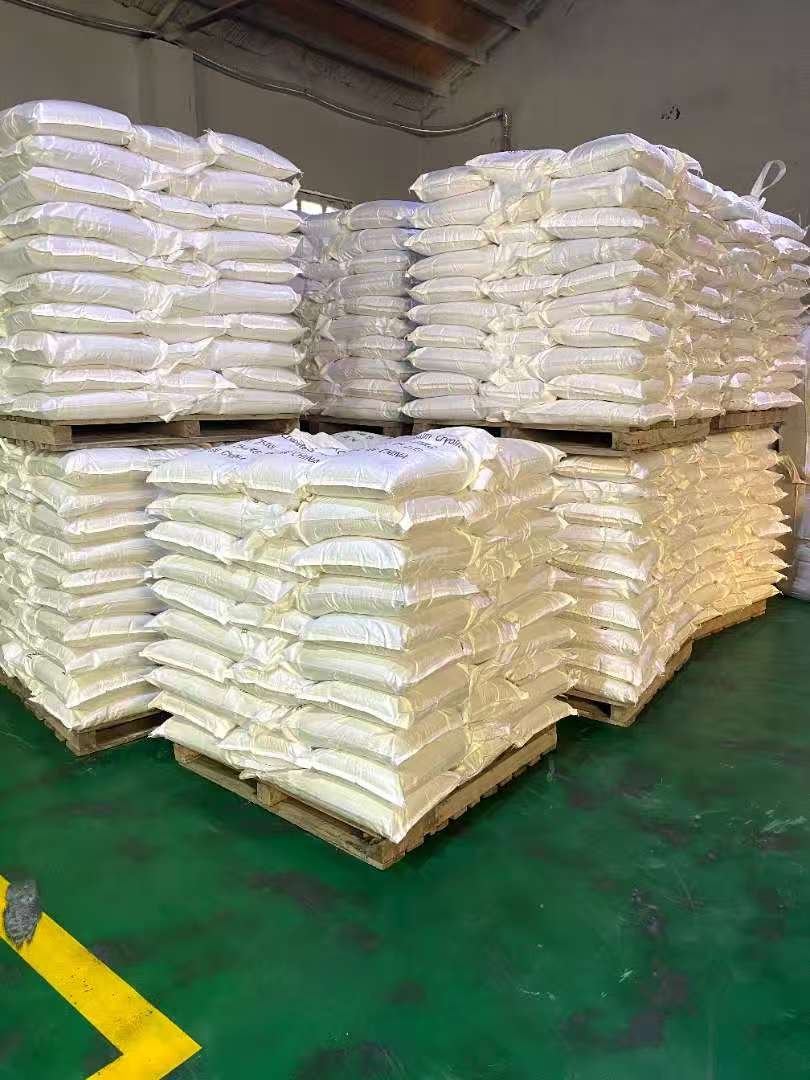
Finished PAF ready for packing — available as powder, granular or lump grades.
Need to test a PAF form against your glaze or batch recipe?
Request a trial lot, a quotation, or the full 2026 product catalogue. Both powder and granular grades, white and grey, plus custom particle size distribution and packaging, are available for trial and full-container orders.
Download the catalogue: Catalog of Sumetech 2026 (PDF)
Website: www.sumetech.com | Email: info@sumetech.com | Tel / WhatsApp: +86 13805218959
Have Questions or Need More Details?
Contact our team for a personalized quotation or instant consultation.
Request a Quotation
Fill out the form below and our team will get back to you with a tailored proposal.
WhatsApp Direct Chat
Prefer to chat in real-time? Message us on WhatsApp for instant assistance & quick answers.
- Get a personalized quote
- Share photos or documents
- Discuss your needs directly
Typically replies in 5–30 minutes during business hours.