
Potassium Aluminium Fluoride Explained: A Basic Guide to Its Forms and Six Industrial Roles
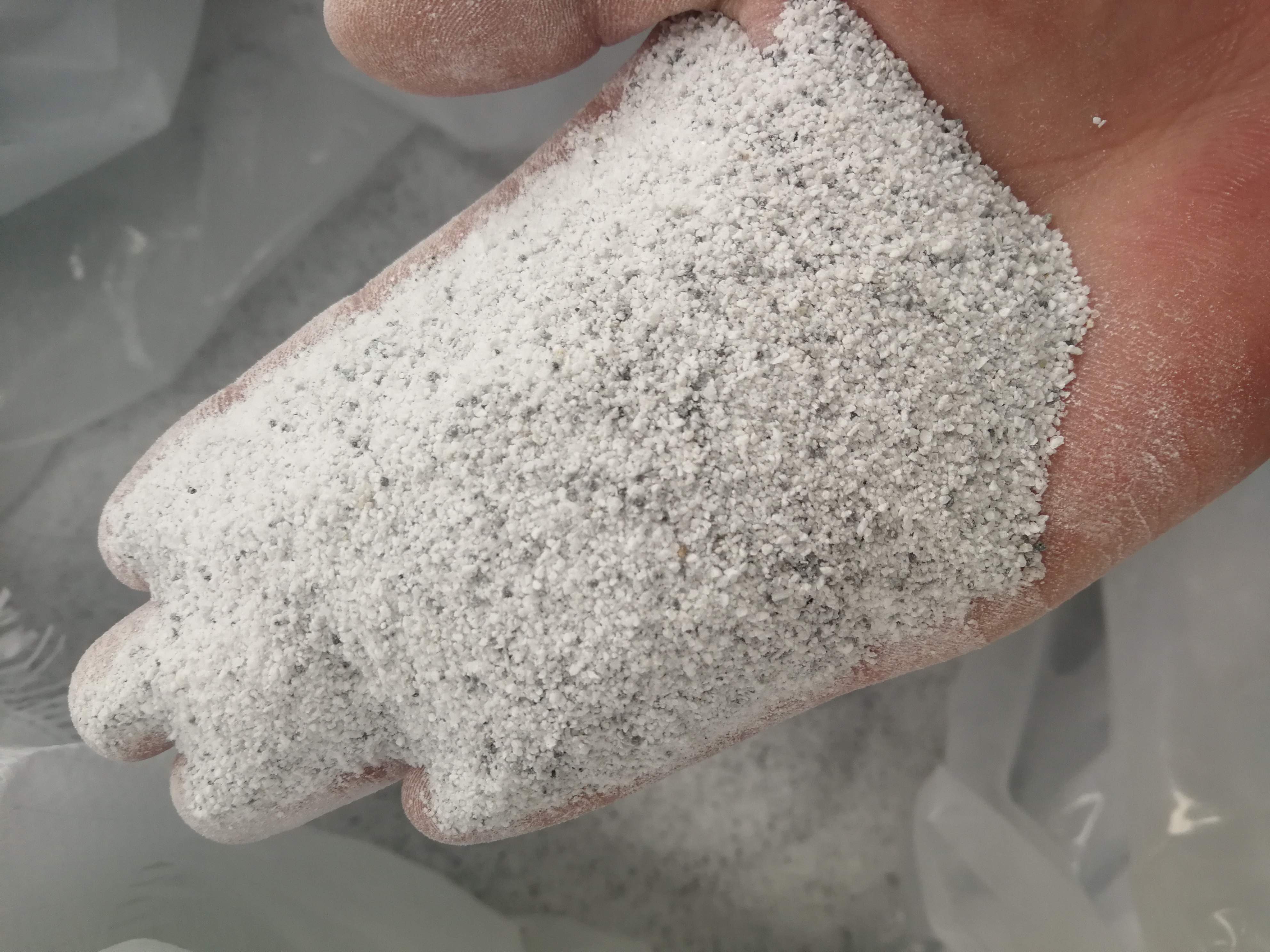
Potassium aluminium fluoride (PAF) is a fluoride flux based on the KAlF4 system. Industry supplies it in two colour grades, white and grey, and in three physical forms: powder, granular and lump. It has six established industrial roles — electrolytic aluminium smelting, ceramics and glass manufacturing, abrasives and grinding wheels, non-ferrous metal recycling and casting, corrosion-free brazing of aluminium alloys, and alloy additive or flame-retardant formulations.
That is the short answer. The longer version matters to anyone specifying the material for the first time, because "PAF" does not describe a single warehouse item. Colour, particle size and physical form are three separate choices, and each changes how the salt behaves in a furnace, a mixing line or a brazing cell. The sections below explain what the material is, how the commercial forms differ, what each of the six roles asks of it, and which details are worth confirming before a first order.
What Potassium Aluminium Fluoride Actually Is
PAF is a potassium aluminium fluoride salt sold as an industrial flux. It travels under several trade names — potassium fluoroaluminate, potassium cryolite and potassium tetrafluoroaluminate — and the abbreviation PAF is applied across all of them. Spelling varies by market: "aluminium" in British usage, "aluminum" in US usage, and "Kalium Aluminium Fluorid" in German-language documentation. These are naming variants of one product family, not different specifications.
Identity data for the tetrafluoroaluminate form is published by PubChem (NIH): molecular formula KAlF4, molecular weight approximately 142.07 g/mol, and CAS number 60304-36-1. A formula that appears beside it in some search results, K3AlF6, describes a different potassium-to-aluminium ratio and should not be assumed interchangeable with KAlF4 without a written specification, because grade identity comes from the certificate of analysis rather than from a formula printed on a listing.
For customs work, trade data sources index the material under HS code 38101090, the heading that covers pickling preparations for metal surfaces and fluxes. National tariff schedules can diverge from that headline code, so classification is worth confirming with a customs broker or against the supplier's export documents before a first shipment.
How the material is classified for handling
The published safety data sheet for potassium aluminium fluoride, prepared under OSHA Hazard Communication Standard 29 CFR 1910 and aligned with GHS, places the material in Acute Toxicity Category 4 for oral, dermal and inhalation exposure and Skin Irritation Category 2. In practice that means an industrial chemical requiring routine dust and skin-contact controls, not a substance to be handled casually. Storage guidance is consistent across manufacturers: keep it dry and in a well-ventilated place. Site-specific exposure controls belong in Section 8 of the supplier's SDS rather than on a product page.
Why the Basic Chemistry Matters Across Industries
Three behaviours explain why one salt appears in six unrelated sectors.
- It melts below the temperature of its surroundings. In abrasive bonds the material melts in the region of 557-580 °C, which sits below the temperature generated in a high-speed grinding arc. In glass and ceramic batches it lowers the melting and sintering temperature of the mix it enters.
- It acts at the oxide interface. In electrolytic smelting it lowers the melting temperature of alumina; in aluminium brazing it removes the oxide film that would otherwise prevent a sound joint.
- It changes how a melt or batch flows. In smelting it improves the conductivity of the electrolyte; in glassmaking it promotes clarification and homogenisation of the molten batch.
Those three behaviours also explain why the material is called a flux in almost every context, even when the industrial job looks entirely different from plant to plant. Flux is a function, not a product category. The same chemistry can perform that function in a reduction cell, a frit batch, a resin-bonded wheel and a brazing furnace — but the grade, particle size and dose are set by the process, not by the chemical name.
Market context, with a definitional caveat
DataHorizzon Research values the global potassium aluminum fluoride market at USD 1.76 billion in 2024 and projects USD 2.62 billion by 2033, a CAGR of 4.8% across 2025-2033. Read those figures alongside one caution: published research does not always separate pure potassium fluoride from potassium aluminium fluoride. A separate estimate for the pure potassium fluoride market, at USD 0.42 billion in 2025, shows how far the number moves when the product definition changes. The defensible conclusion is that PAF is a large, structurally significant flux category — not that any single published figure is the definitive market size.
Reading the Form Label: White, Grey, Powder, Granular and Lump
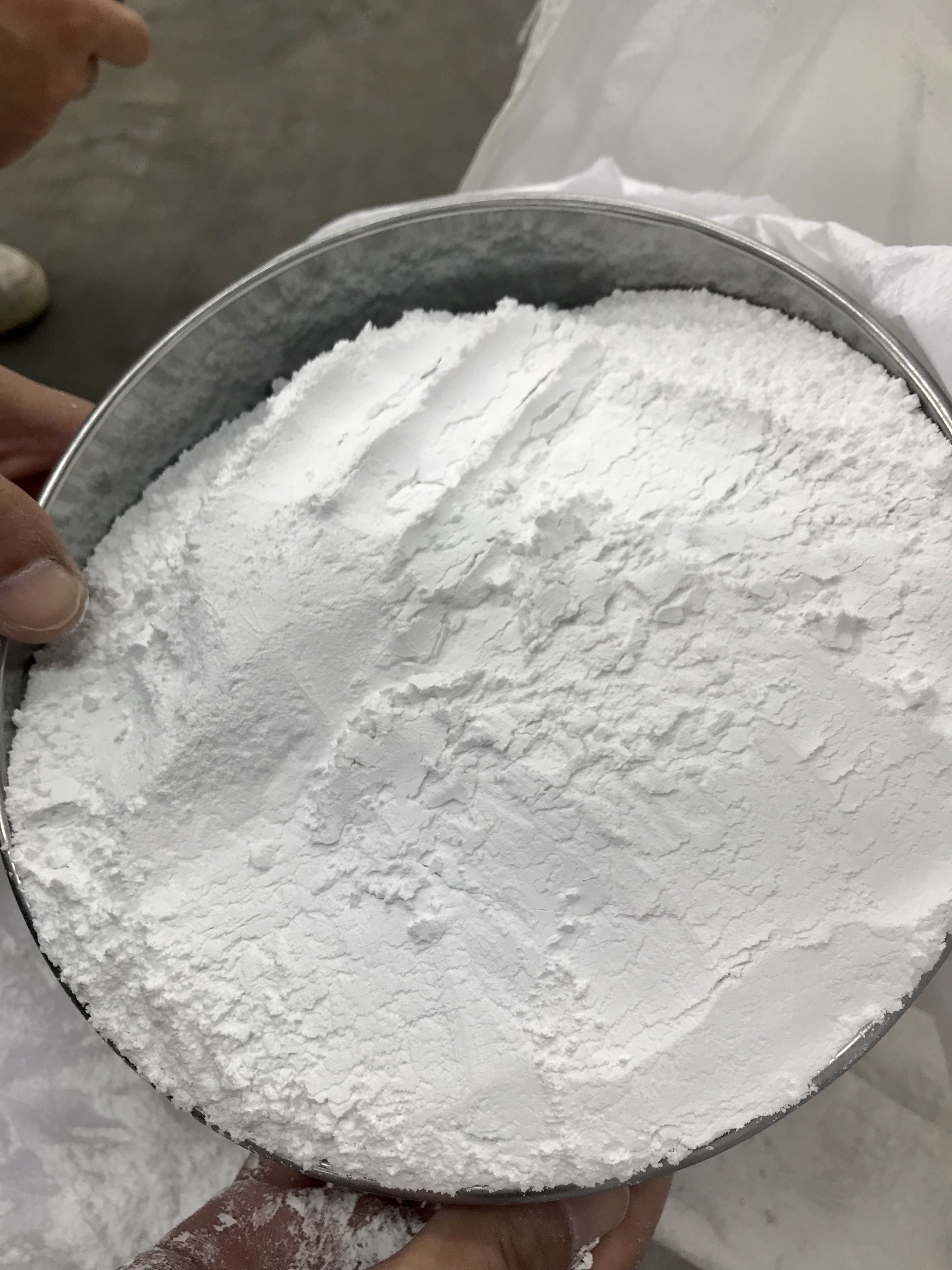
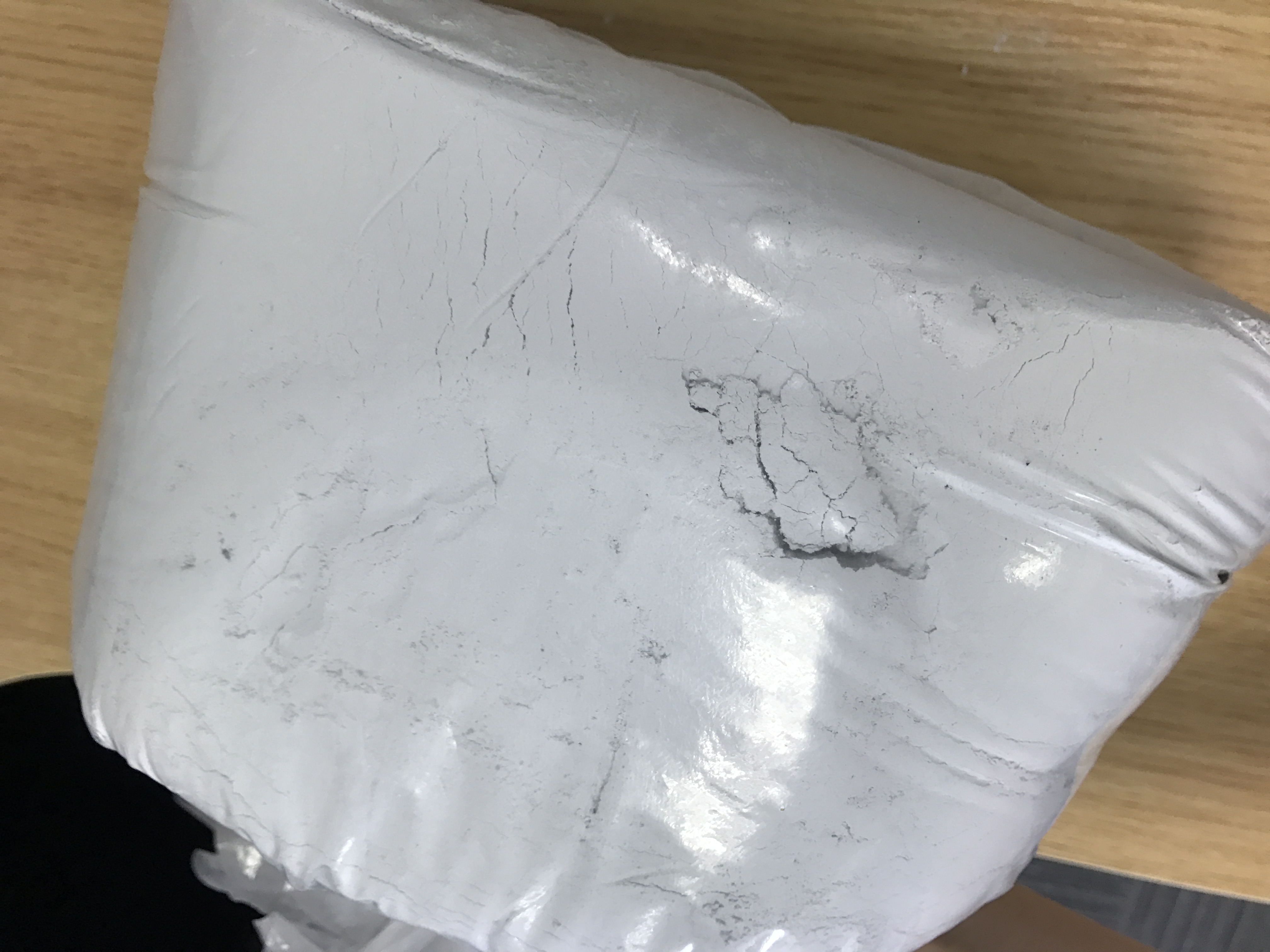
PAF is supplied in white and grey colour grades and in powder, granular and lump form. Listed particle sizes are mesh 200, 0.3-1.0 mm and 0.5-1.5 mm. Colour and form are independent variables: white material is offered as powder, granule and lump, and so is grey material.
Colour usually works as a shorthand for grade. Published grade comparisons describe an industrial grade of roughly 98% minimum, typically grey, used in foundry and abrasive work, alongside a high-purity white material above 99% used where brazing or specialty glass demands cleaner chemistry. Treat that as a trade convention rather than a guarantee. The number that governs acceptance is the assay on the certificate of analysis for the actual lot, not the colour of the packaging.
| Form | Colour grades listed | Particle sizes listed | What the form changes in practice |
|---|---|---|---|
| Powder | White, grey | Mesh 200 | Fines disperse quickly into a mix, but generate dust during charging and need containment. |
| Granular | White, grey | 0.3-1.0 mm; 0.5-1.5 mm | Free-flowing material that meters and blends more predictably than fines; the two bands differ in dissolution and melting rate. |
| Lump | White, grey | Not covered by the listed size bands | Coarse material for bulk charging where the melt can absorb a slower dissolution step. |
The published product data lists forms, colours and sizes separately and does not assign a specific size band to a specific end use. Where a process is sensitive to particle size distribution, that assignment should be confirmed against technical data and a trial lot rather than inferred from the form name.
Particle size is not cosmetic. In a resin-bonded wheel the filler has to disperse uniformly through the bond; in a brazing paste the solids have to stay suspended and melt at the right moment; in casting and smelting the material has to dissolve into a bath at a predictable rate. A 0.3-1.0 mm granule and a mesh 200 powder of identical chemistry are not interchangeable in any of those three situations.
The Six Industrial Roles
| Role | What PAF does there | Process context |
|---|---|---|
| Electrolytic aluminium smelting | Lowers the melting temperature of alumina and improves electrolyte conductivity | Primary aluminium reduction |
| Ceramics and glass | Flux and opacifier; lowers sintering temperature, improves glaze texture and glass durability | Frit, glaze and glass batches |
| Abrasives and grinding wheels | Active filler that improves grain adhesion, heat dissipation and self-sharpening | Resin-bonded wheels |
| Non-ferrous recycling and casting | Degassing and slag removal in molten aluminium | Secondary smelting, foundry |
| Corrosion-free brazing | Removes the oxide film and improves weld quality | Aluminium alloy brazing |
| Alloy additives and flame retardants | Listed among the industries the material serves | Formulation input |
Role 1: Electrolytic aluminium smelting
In aluminium reduction, PAF works as a core flux: it lowers the melting temperature of alumina and improves the conductivity of the electrolyte. Those two effects sit behind the commercial outcomes the smelter tracks — energy consumption and production efficiency. Because the electrolyte is in continuous use rather than dosed once, lot-to-lot consistency carries more weight here than in almost any other role. A shift in particle size or dissolution behaviour shows up as a process disturbance, not as a handling inconvenience.
Role 2: Ceramics and glass manufacturing
Here the material serves as both flux and opacifier. As a flux it lowers the melting temperature of the batch, promotes clarification and homogenisation of molten glass, and improves the transparency and gloss of the finished product. In ceramics it improves sintering performance and mechanical strength, and it is also used to improve glaze texture and the heat and corrosion resistance of glass. Because finished appearance is part of the specification in these industries, high-purity white grades are commonly quoted where colour and clarity are critical.
Role 3: Abrasives and grinding wheels
In resin-bonded grinding wheels PAF is an active filler rather than an inert one. Its contribution is usually described through five effects. It absorbs grinding heat, melting in the region of 557-580 °C and acting as a micro heat sink that protects the workpiece from discolouration and deformation. It improves adhesion between the bond and the abrasive grains. Its thermal stability helps conduct heat away from the wheel, slowing resin ageing. It supports self-sharpening, so dulled grains detach on time and fresh edges emerge. And it reduces adhesion of grinding debris to the wheel face, which keeps the cutting surface clean during long runs.
Sumetech's product documentation links these effects to a 20%-30% extension of wheel life, together with improved machining accuracy. That figure comes from the manufacturer's own product literature and describes the mechanism as the company states it; a wheel manufacturer should validate it against its own bond system, grit type and operating parameters before quoting it to end users.
Role 4: Non-ferrous metal recycling and casting
In recycled aluminium and aluminium alloy casting, the material is used for degassing and slag removal. As a degassing agent it helps remove harmful gases from molten aluminium, which feeds directly into alloy quality. For secondary smelters working with variable scrap streams, the flux step is one of the few deliberate controls over melt cleanliness, so the grade and dose deserve the same attention as furnace temperature or grain refiner addition.
Role 5: Corrosion-free brazing of aluminium alloys
In aluminium brazing the material removes the oxide film that would otherwise block a sound joint, and improves weld quality as a result. Documented applications include battery water-cooling plates and air-conditioning radiators in new energy vehicles, where long, leak-tight joint runs are the defining requirement. Brazing grades are commonly the high-purity white material rather than the grey industrial grade. Joint quality still depends on furnace atmosphere, filler metal and joint design, so flux grade alone does not determine brazeability.
Role 6: Alloy additives and flame retardants
Alloy additives and flame retardants are listed among the industries PAF suppliers serve. The published data set does not include formulation parameters for these two uses, so they are best read as an indication of application scope rather than a specification basis. Anyone designing an alloy additive or flame-retardant formulation should request the relevant technical data and regulatory documentation before fixing a grade.
From Melt to Mesh: How These Forms Are Produced
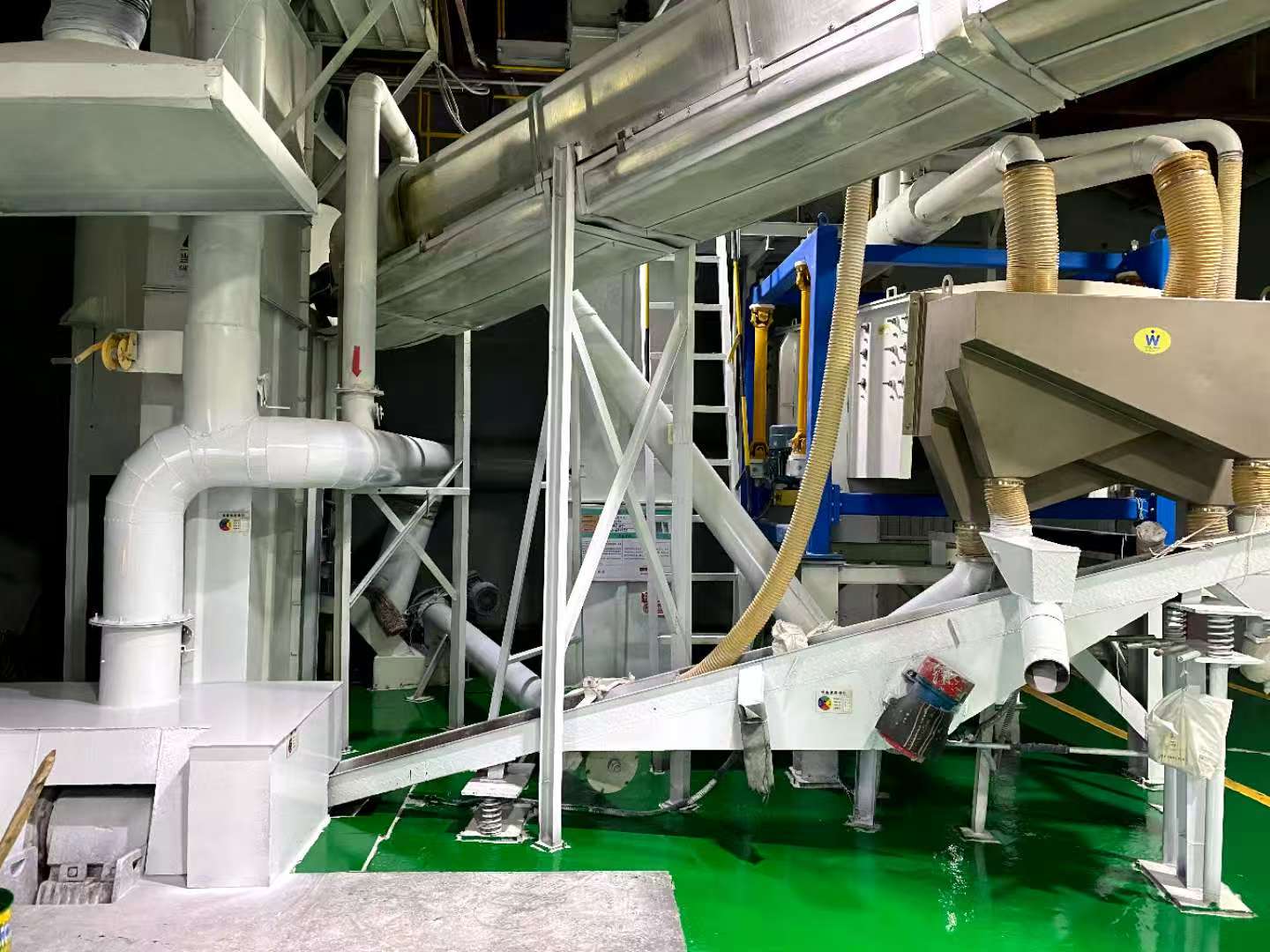
Form is a manufacturing decision as much as a commercial one. Turning the material into a consistent powder, granule or lump requires size reduction, shaping and classification steps that each affect the finished specification.
Sumetech Industry Co., Ltd, a direct manufacturer of potassium aluminium fluoride based in Xuzhou, China, runs a 6,000 m² facility equipped with ultrafine mechanical mills for particle size control, crushing and shaping machines that produce granular product with consistent shape and flowability, and sieving and classification systems that narrow the particle size distribution and limit impurities. The company states an annual production capacity of 5,000 metric tons and employs five full-time senior engineers in R&D and quality control. Customisation covers particle size distribution from coarse granules to sub-micron powder, morphology (angular, spherical or crushed), purity grade and packaging specification.
What to Confirm Before You Specify a Grade
- Assay, not colour. Ask for the certificate of analysis for the lot and check the purity basis against the grade you intended. Colour is a convention; the CoA is the evidence.
- Particle size against your equipment. Confirm whether the process needs mesh 200 fines, a 0.3-1.0 mm or 0.5-1.5 mm granule, and request the size distribution rather than the nominal band alone.
- How the material will be charged. Powder, granule and lump behave differently in feeding, dusting and dissolution, so match the form to the handling system before matching it to the chemistry.
- Packaging and storage. Moisture control matters; the standard instruction is dry, well-ventilated storage, and packaging should support that through the whole route.
- Safety and transport documents. Obtain the current SDS with the GHS classification, and confirm the HS code with your broker before booking freight.
- A trial lot. Where the process is sensitive to particle size or dissolution behaviour, validate on a small quantity before committing to a container volume.
Where PAF Comes From: A Brief Supplier Note
Sumetech Industry Co., Ltd is a direct manufacturer of potassium aluminium fluoride and other specialty chemicals, established in 2019 and based in Xuzhou, China. Its product portfolio also includes boron nitride, and the company specialises in metal smelting and casting auxiliary materials — grain refiners, aluminium-based master alloys, metal additives and fused fluxes. It describes itself as China's largest manufacturer of potassium fluoroaluminate in granular and powder form.
Commercially, Sumetech reports an annual production capacity of 5,000 metric tons, approximately 20 staff, and exports accounting for 90% of total sales, with major markets in Turkey, Japan, Korea and Europe. The company supplies the refractory, abrasive, welding and aluminium alloy industries. For buyers comparing sources, the practical questions remain the same regardless of supplier: which grade, which size band, which packaging, and what the CoA for the actual lot shows.
Frequently Asked Questions
What is potassium aluminium fluoride used for?
Potassium aluminium fluoride is a fluoride flux used across six industrial roles: electrolytic aluminium smelting, where it lowers the melting temperature of alumina and improves electrolyte conductivity; ceramics and glass, as a flux and opacifier; resin-bonded abrasives, as an active filler; non-ferrous metal recycling and casting, for degassing and slag removal; corrosion-free brazing of aluminium alloys, where it removes the oxide film; and alloy additive or flame-retardant formulations.
Is potassium aluminium fluoride hazardous to handle?
Published safety data classifies it as GHS Acute Toxicity Category 4 for oral, dermal and inhalation exposure and Skin Irritation Category 2 under OSHA's Hazard Communication Standard. That places it among industrial chemicals that need routine dust and skin-contact controls. The supplier's SDS should be consulted for site-specific exposure controls, and the material should be stored dry in a well-ventilated area.
Which forms and particle sizes are available?
PAF is supplied as powder, granular and lump, in both white and grey colour grades. Listed particle sizes are mesh 200, 0.3-1.0 mm and 0.5-1.5 mm. Because the published data lists forms, colours and sizes separately, the right combination for a given process should be confirmed with the supplier's technical data and validated on a trial lot.
What is the difference between white and grey potassium aluminium fluoride?
Colour generally signals grade. Published grade comparisons describe an industrial grade of about 98% minimum, typically grey, used in foundry and abrasive applications, and a high-purity white material above 99% used where brazing or specialty glass requires cleaner chemistry. The certificate of analysis for the lot, not the colour description, is what confirms the grade actually delivered.
Who supplies potassium aluminium fluoride?
Supply comes from two broad sources: direct manufacturers with their own milling, granulation and classification equipment, and trading companies that source from those manufacturers. Direct manufacturers such as Sumetech Industry Co., Ltd, which states a 5,000 metric ton annual capacity and produces granular and powder PAF, can typically share production data, customisation options and lot-level certificates. Whatever the source, request the CoA, the current SDS and a specification sheet before evaluating price.
What affects PAF price, and how should a first sample order work?
There is no widely published spot price for potassium aluminium fluoride, so buyers usually work from offer sheets. The nearest public benchmark is the feedstock side: IMARC Group reported the Northeast Asia price for the related fluoride AlF3 at 1.80 USD/kg in March 2026, up 6.5% from Q4 2025 — a fluoride cost indicator rather than a PAF price. Offer levels are typically driven by grade and purity, particle size band, packaging, order volume and freight. A sensible first step is a small trial lot of the specific grade and size you intend to use, with the CoA attached; Sumetech handles trial lots and full container shipments and can be reached at info@sumetech.com.
Next step
For buyers moving from research to evaluation, the fastest route is a specification conversation rather than a price request: confirm the role, the grade, the size band and the packaging, then ask for a sample of that exact specification. Sumetech's full product range, including granular and powder potassium aluminium fluoride, is listed in the downloadable Sumetech catalogue.
Conclusion
Potassium aluminium fluoride is best understood as one chemistry serving six quite different process jobs. Its value in smelting comes from lowering the melting temperature of alumina and improving electrolyte conductivity; in glass and ceramics from fluxing, clarification and opacification; in abrasives from active-filler behaviour that manages heat and keeps the wheel sharp; in recycling and casting from degassing and slag removal; in brazing from oxide removal on aluminium alloys; and in additive and flame-retardant formulations from its role as an input material.
The commercial decision sits one level below that chemistry. White or grey sets the purity conversation, powder, granular or lump sets the handling conversation, and mesh 200, 0.3-1.0 mm or 0.5-1.5 mm sets the process conversation. Getting those three aligned with the actual furnace, mill or brazing line — and confirming them on a lot certificate rather than a product name — is what separates a workable specification from an expensive guess.
Have Questions or Need More Details?
Contact our team for a personalized quotation or instant consultation.
Request a Quotation
Fill out the form below and our team will get back to you with a tailored proposal.
WhatsApp Direct Chat
Prefer to chat in real-time? Message us on WhatsApp for instant assistance & quick answers.
- Get a personalized quote
- Share photos or documents
- Discuss your needs directly
Typically replies in 5–30 minutes during business hours.