
Top 5 Potassium Aluminium Fluoride Applications, Ranked for Industrial Buyers
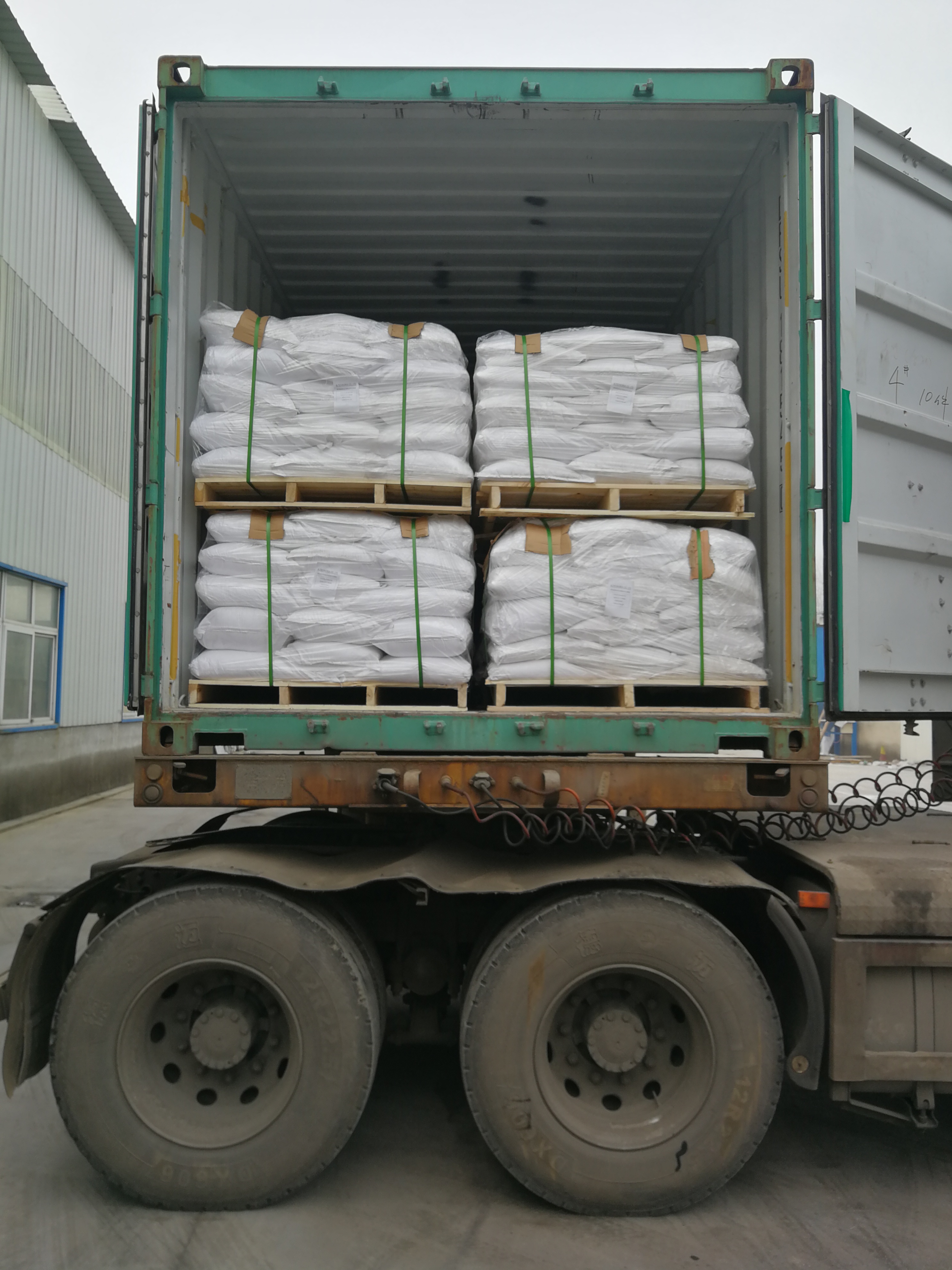
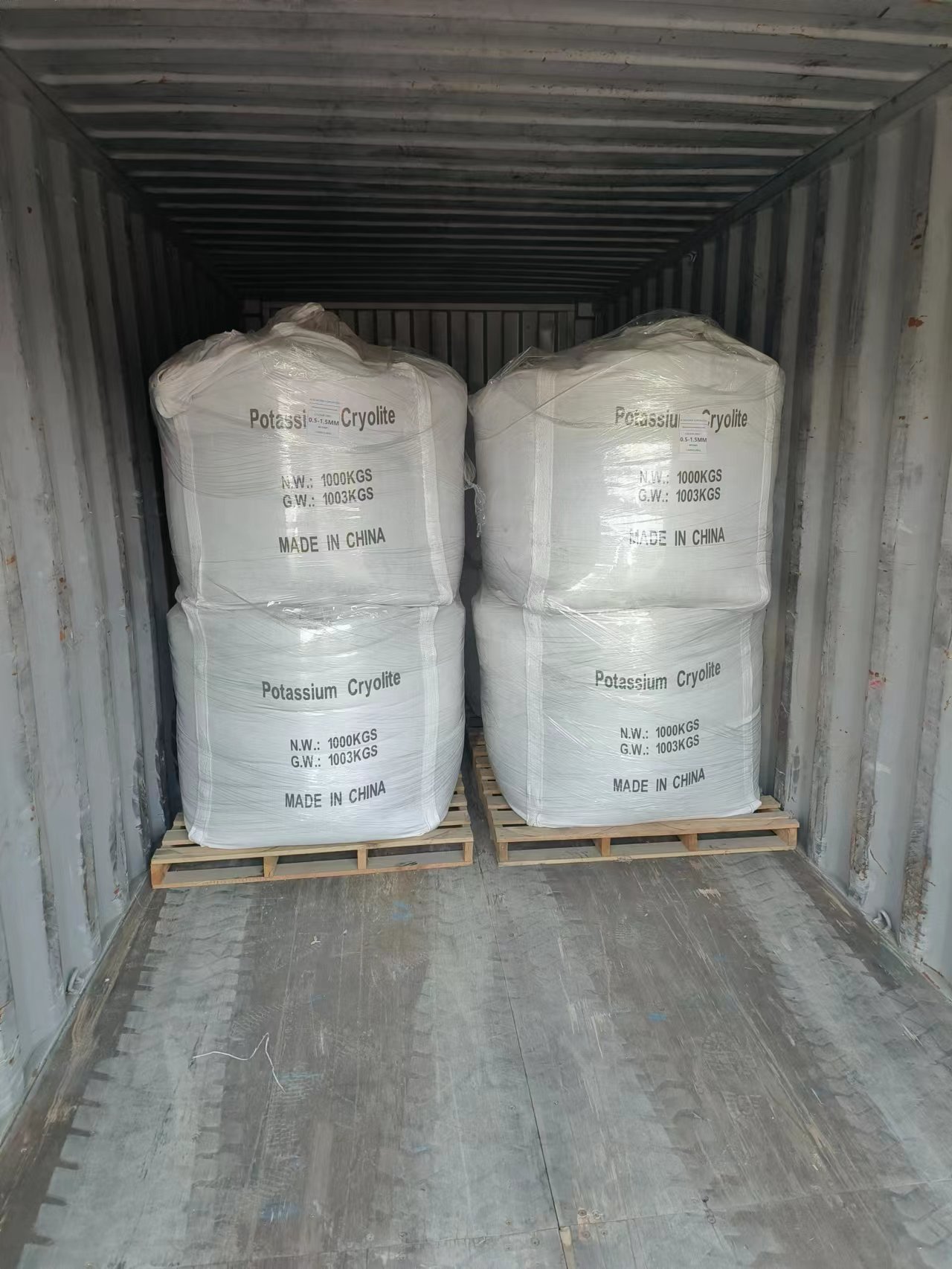
Potassium aluminium fluoride (PAF) is supplied as powder, granular or lump, with the correct form determined by the end application.
Potassium aluminium fluoride (PAF) is a fluoride flux, filler and additive, and the application you select determines the colour, purity, form and particle size you must buy. Ranked by process impact and buyer fit, the five leading applications are: 1) abrasive and grinding wheels, 2) electrolytic aluminium smelting, 3) ceramics and glass manufacturing, 4) corrosion-free brazing of aluminium alloys, and 5) non-ferrous metal recycling and casting.
The ranking below is written for buyers who are past the discovery stage: they already know PAF is relevant to their process and now need to confirm which application profile, grade and form to specify, and what evidence a supplier should be able to produce. Every technical claim in this article comes from published product documentation, certification records and market research, and no invented performance numbers are used.
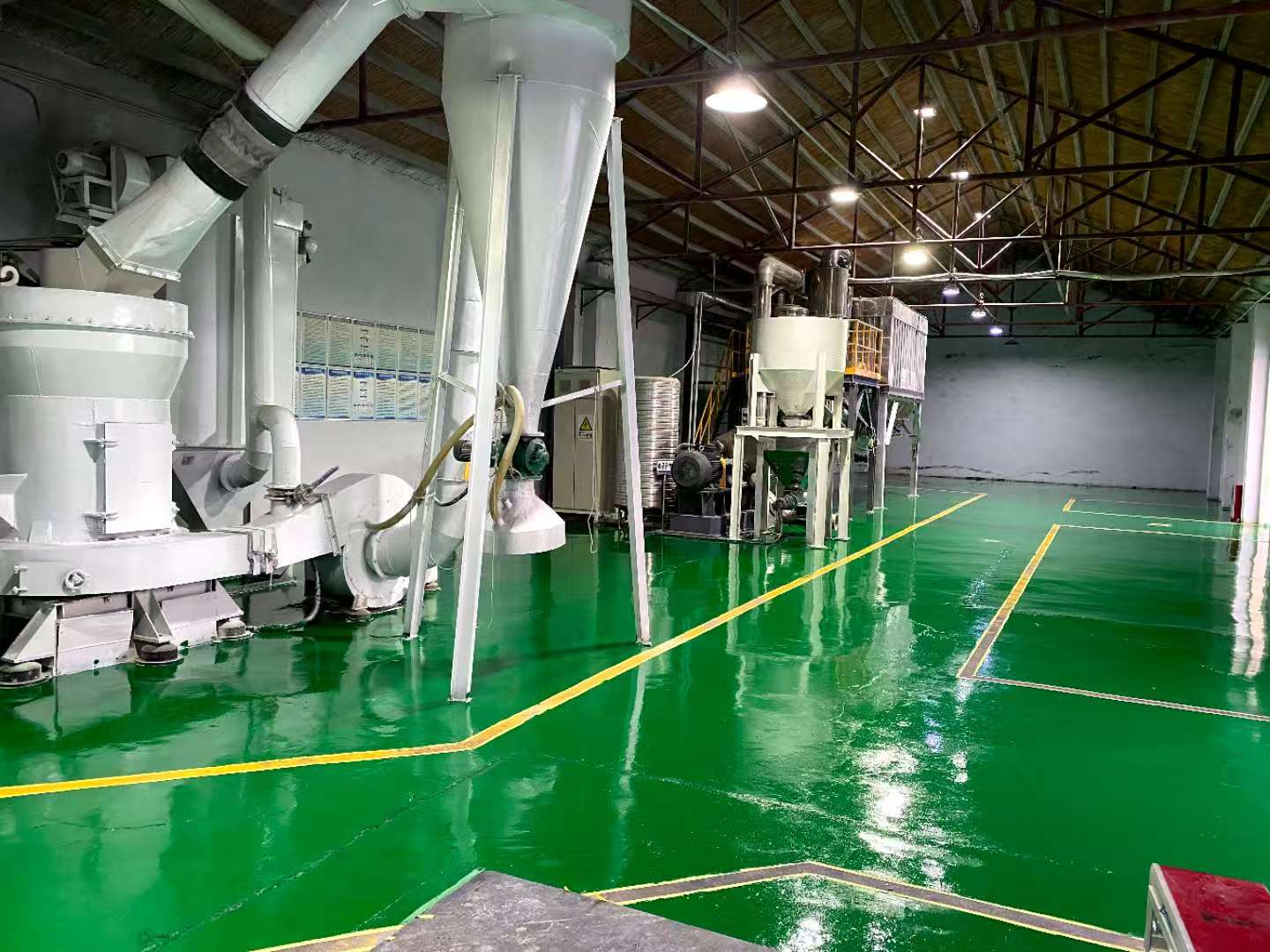
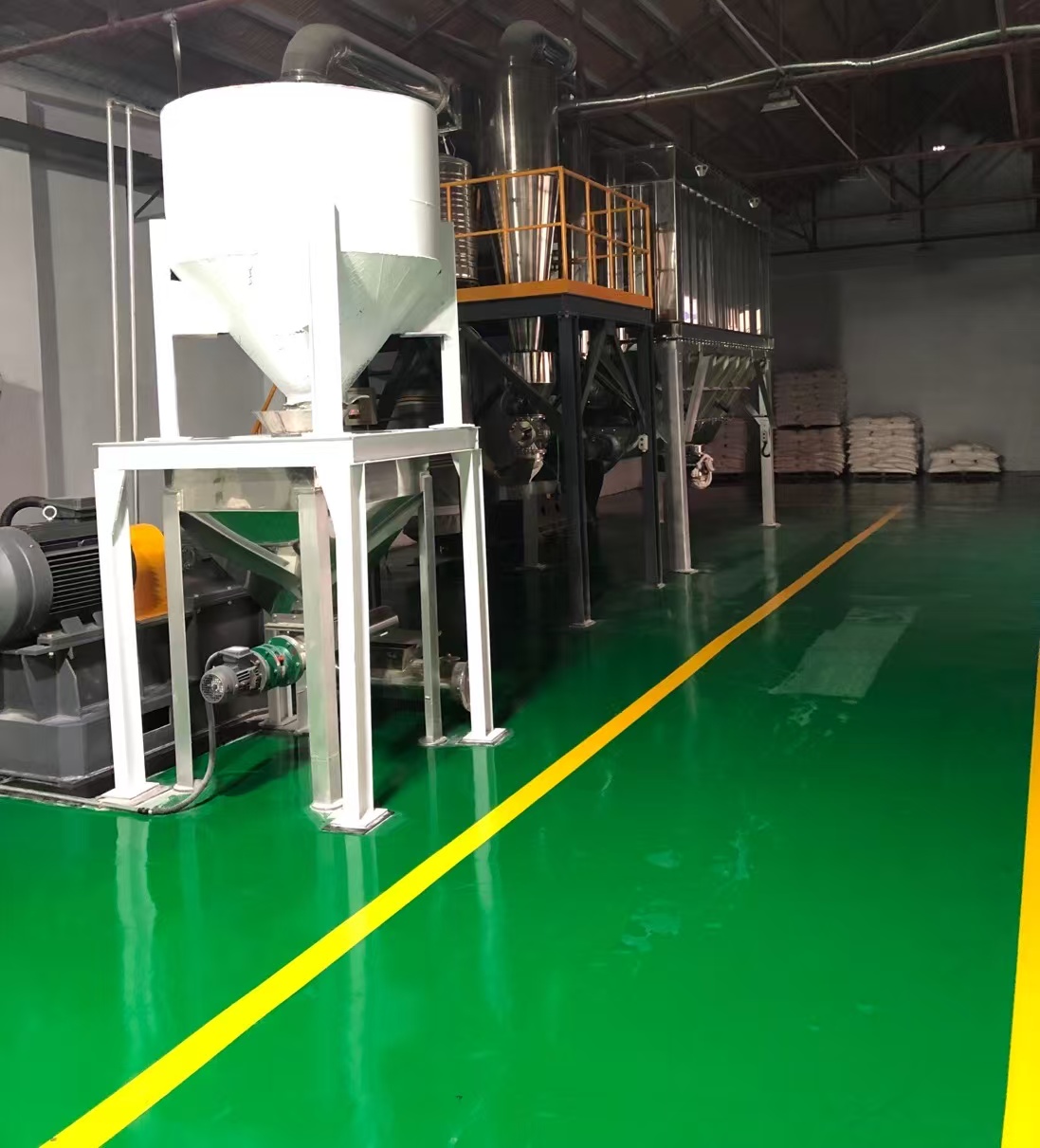
Sumetech Industry Co., Ltd is a China-based manufacturer of potassium aluminium fluoride and boron nitride, operating a 6,000 m2 production facility with a 5,000 metric ton annual PAF capacity and a five-technician research and quality team. The company supplies PAF in white and grey, as powder, granular and lump, exports roughly 90% of its output, and lists Turkey, Japan, Korea and Europe among its main markets.
What Potassium Aluminium Fluoride Actually Does in a Process
PAF is not a finished material; it is a functional input. Across industrial use, it performs one or more of five distinct jobs: it lowers the melting point of alumina in molten salt systems, it removes oxide films from aluminium surfaces before joining, it acts as a flux and opacifier in ceramic and glass bodies, it improves the adhesion between abrasive grains and the bonding resin in grinding wheels, and it supports degassing and slag removal in molten aluminium.
The material is traded under several equivalent names, including potassium fluoroaluminate, potassium cryolite, potassium tetrafluoroaluminate, Kalium Aluminium Fluorid, KAlF and KAlF4. For identification purposes, potassium aluminium fluoride is associated with CAS 60304-36-1 and a molecular weight of approximately 142.07 g/mol for KAlF4, as recorded in the PubChem compound database maintained by the NIH.
Because these five jobs are chemically different, the same tonnage of PAF can be a correct purchase for one plant and a costly mistake for another. That is why application ranking, not product popularity, is the useful decision framework for industrial buyers.
The Problem: Application Choice Is Where Most PAF Projects Go Wrong
Buyers rarely fail at PAF because the chemistry is unavailable. They fail because three specification variables are treated as interchangeable when they are not.
1. Name collision between PAF and potassium fluoride
Public market research does not always separate the two chemistries cleanly. Some commercial sources value the pure potassium fluoride market at USD 0.42 billion for 2025, while others value the potassium aluminium fluoride market at USD 1.76 billion for 2024. The gap is explained by the fact that potassium aluminium fluoride figures include complex metallurgical flux volumes that potassium fluoride figures exclude. A buyer who benchmarks PAF supply using potassium fluoride data will misread both price and availability.
2. Colour and grade confusion
Published purity-versus-application guidance distinguishes industrial grade material at a minimum of 98% purity, typically grey, used for foundry and abrasive applications, from high purity material above 99%, typically white, required for brazing and specialty glass. Ordering a grey industrial grade for a brazing line, or paying a high purity premium for an abrasive filler, are both specification errors rather than supplier errors.
3. Form and particle size mismatch
PAF is supplied as powder, granular and lump, with listed sizes including mesh 200, 0.3 to 1.0 mm and 0.5 to 1.5 mm. Particle size governs how the material feeds, disperses and melts in a given line, so the size must be matched to the dosing and mixing equipment already installed at the plant, not chosen by habit.
Industry Background: A Growing, Regulated Fluoride Market
The global potassium aluminium fluoride market was valued at USD 1.76 billion in 2024 and is projected to reach USD 2.62 billion by 2033, according to DataHorizzon Research. The same research projects a compound annual growth rate of 4.8% over the 2025 to 2033 period, reflecting steady demand from aluminium, abrasive, ceramic and foundry industries rather than a single end market.
On the trade side, potassium aluminium fluoride is commonly traded under HS Code 38101090, the code covering pickling preparations for metal surfaces and fluxes. Buyers who handle customs classification in-house should confirm this code with their broker, because fluoride products are sometimes grouped into broader chemical categories.
Cost benchmarking is also worth setting up correctly. A published 2026 benchmark for the related fluoride aluminium fluoride (AlF3) in Northeast Asia stood at 1.80 USD per kg in March 2026, up 6.5% from the fourth quarter of 2025, according to IMARC Group. This is a benchmark for a related fluoride rather than a PAF price index, but it is a useful directional signal for raw material and energy cost movement in the fluoride chain.
Regulatory context matters as much as cost. Potassium aluminium fluoride is classified under GHS as Acute Toxicity Category 4 for oral, dermal and inhalation exposure, and Skin Irritation Category 2, consistent with OSHA Hazard Communication Standard 29 CFR 1910. Buyers should expect a current safety data sheet, defined personal protective equipment requirements and dust control provisions as part of normal supplier qualification.
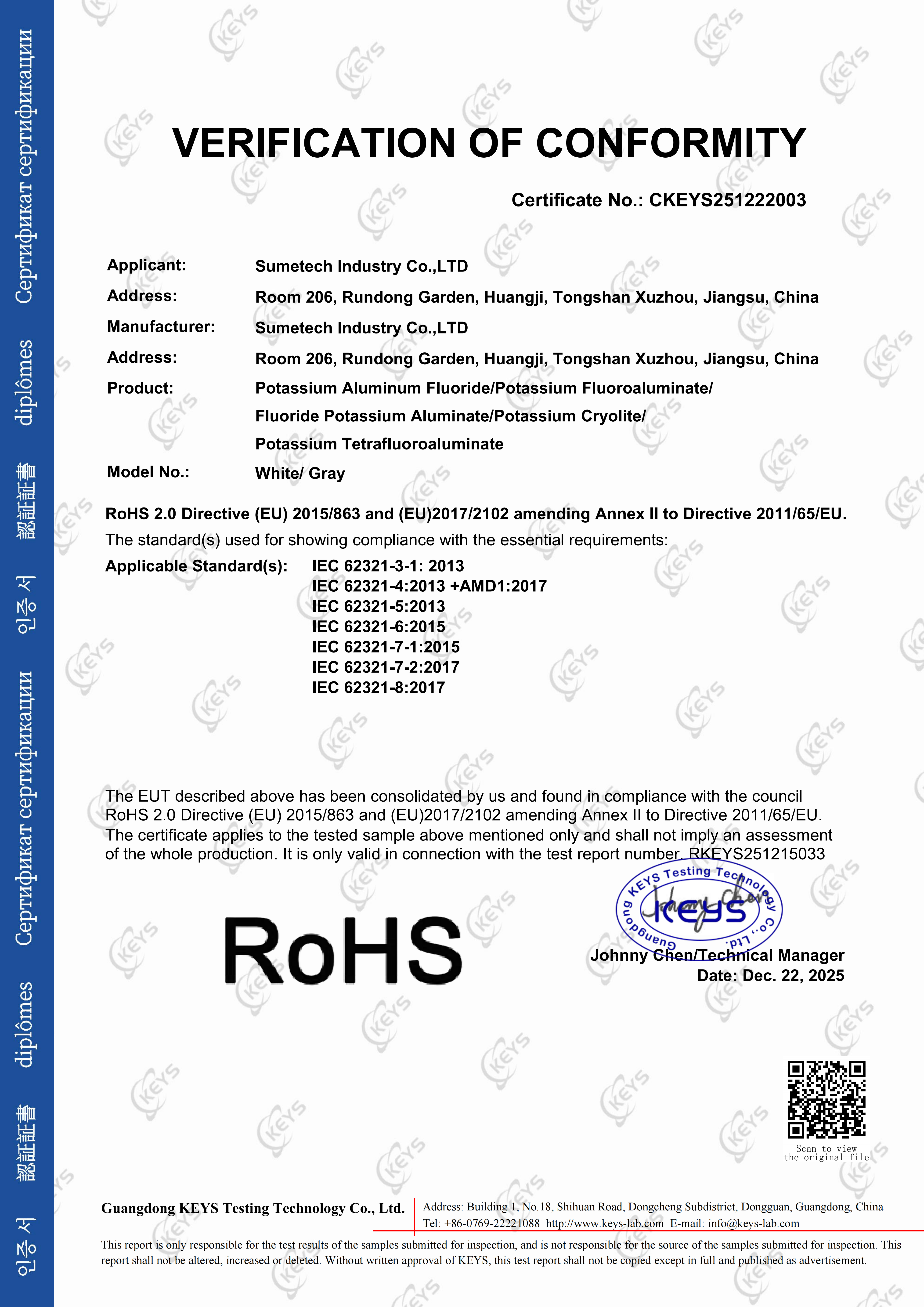
For European distribution, RoHS documentation is a practical filter. Sumetech Industry Co., Ltd holds a RoHS 2.0 Verification of Conformity, certificate number CKEYS251222003, issued on 22 December 2025 by Guangdong KEYS Testing Technology Co., Ltd. The verification covers potassium aluminium fluoride, potassium fluoroaluminate, fluoride potassium aluminate, potassium cryolite and potassium tetrafluoroaluminate in white and grey, and applies to product code 8235 for the EU market.
How These Five Applications Were Ranked
The ranking uses five buyer-relevant criteria rather than market size alone:
- Process impact. How much does PAF change output quality, yield or tool life when it is correctly specified?
- Mechanism clarity. Is the function documented at mechanism level, so a technical team can explain and verify it?
- Grade fit. Is the application served by industrial grade grey material or does it require high purity white material above 99%?
- Form and size fit. Is the application compatible with commercially available forms such as powder at mesh 200, granular at 0.3 to 1.0 mm or 0.5 to 1.5 mm, or lump?
- Buyer fit. Does the application generate repeat volume, a stable specification and a clear compliance requirement?
Abrasive and grinding wheels take the top position because PAF contributes through five separate documented mechanisms in that application, and because the material is consumed continuously rather than in one-off projects.
The Top 5 Potassium Aluminium Fluoride Applications
Rank 1Abrasive and Grinding Wheels
In resin-bonded grinding wheels, potassium aluminium fluoride works as an active filler rather than a simple diluent, and its contribution is described through five mechanisms.
- Heat absorption. PAF melts at approximately 560 degrees Celsius, acting as a micro heat sink that absorbs grinding heat and protects the workpiece from discolouration and deformation.
- Adhesion improvement. As an active filler, it improves the adhesion between the bond and the abrasive grains, making the wheel stronger and extending service life.
- Heat dissipation. Its thermal stability helps conduct heat away from the wheel, slowing resin ageing and keeping the wheel in working condition for longer.
- Self-sharpening. It allows dull abrasive grains to release at the right time while fresh sharp grains emerge, keeping the wheel cutting consistently.
- Anti-clogging. It reduces adhesion of grinding debris to the wheel surface, so the wheel stays clean and efficient during prolonged operation.
Buyer fit is high because abrasive manufacturers consume PAF continuously and specify it as part of a repeat formulation. Industrial grade grey material at a minimum of 98% purity is the normal zone for foundry and abrasive use, and Sumetech Industry Co., Ltd produces potassium aluminium fluoride specifically optimised for efficient and durable grinding wheels. The main specification decision is particle size: mesh 200 powder for finer mixing routes, or granular material at 0.3 to 1.0 mm and 0.5 to 1.5 mm where the feeding system handles granules.
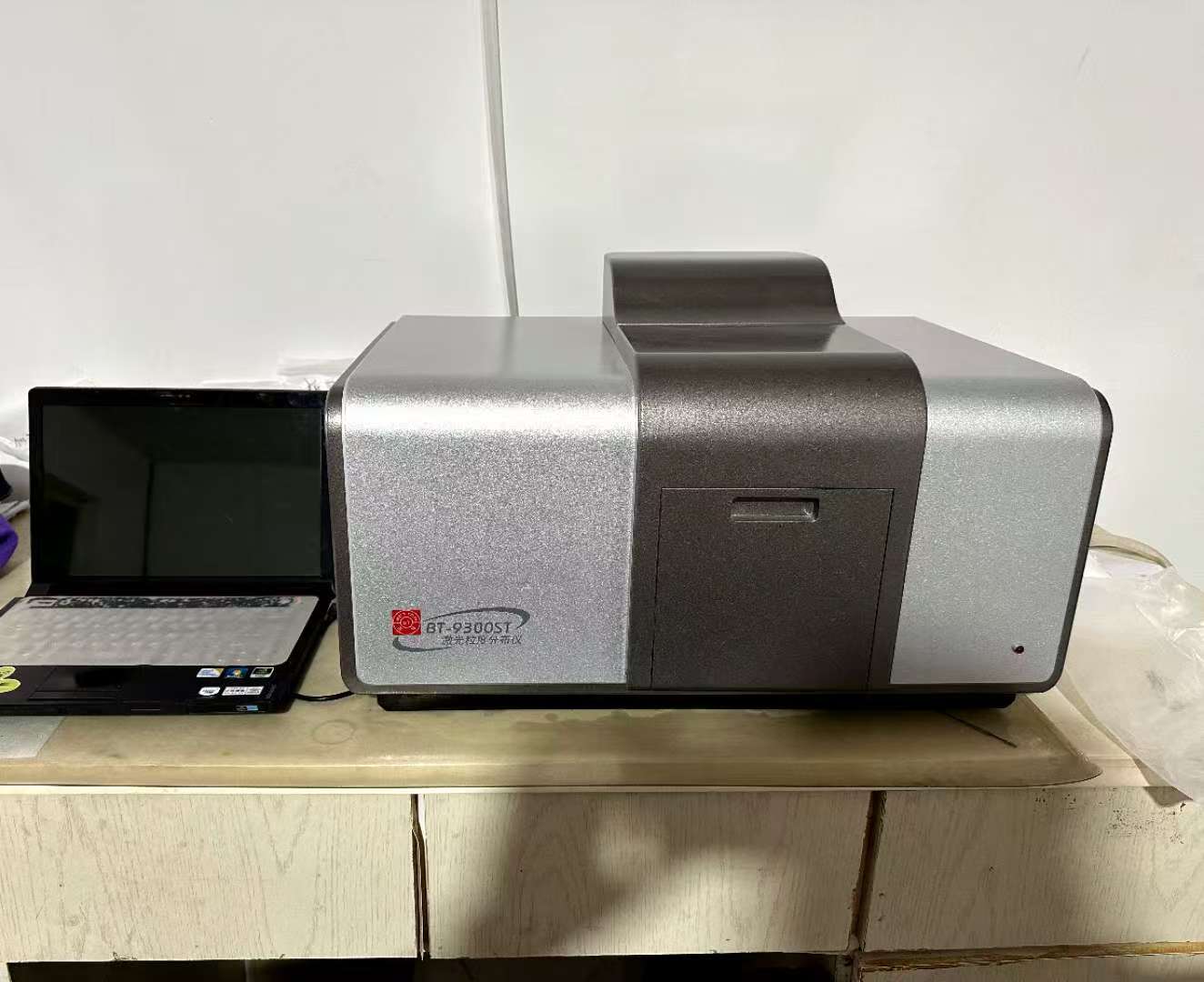
A second consideration is batch consistency. Because the filler participates in the bond system, variation in particle size distribution or moisture changes wheel behaviour between production runs, which is why in-house particle size analysis and 100% testing matter more in this application than in most others.
Rank 2Electrolytic Aluminium Smelting
In electrolytic aluminium smelting, PAF is a core flux. It lowers the melting point of alumina and improves electrolysis efficiency, which is why it is treated as a fundamental material in the modern electrolytic aluminium industry rather than an optional additive.
This application ranks second because the consumption pattern is the closest thing in the PAF market to continuous demand. Smelters run long production cycles, so the purchasing priority shifts from product selection to supply continuity, chemistry stability and delivery reliability. Both granular and lump forms are commercially supplied, and the correct choice depends on how the potline feeding system handles the material.
For procurement teams, the practical questions are narrower than in abrasives: does the delivered chemistry hold within the agreed window batch after batch, does the packaging keep the material dry through long storage, and can the supplier scale volume without changing specification. Suppliers with on-site raw material inventory and a documented monthly capacity are better placed to answer the third question than trading intermediaries.
Rank 3Ceramics and Glass Manufacturing
In ceramics and glass, potassium aluminium fluoride is used as a flux and opacifier. It lowers sintering temperatures, improves glaze texture, and enhances the heat resistance and corrosion resistance of glass. This makes it valuable in kiln processes where firing temperature and glaze quality directly affect energy cost and finished appearance.
Grade selection is the decisive variable here. Specialty glass and high-end glaze work draws on high purity white material above 99% purity, while industrial grade grey material is normally adequate where opacification and fluxing are the primary objectives. This is one of the clearest examples in the PAF market of a purity decision driving purchase price, and it is why buyers should require a purity declaration rather than accepting a colour description alone.
Particle size matters as well. Fine powder in the mesh 200 range disperses more evenly through a glaze or frit mixture, whereas coarser material may not fully incorporate before the firing cycle begins. Buyers entering this application should specify both purity and particle size distribution in the purchase specification, not just product name.
Rank 4Corrosion-Free Brazing of Aluminium Alloys
In corrosion-free brazing of aluminium alloys, potassium fluoroaluminate removes the oxide film that would otherwise prevent proper joining, and improves weld quality. The application is especially relevant in the manufacture of battery water-cooling plates and air conditioning radiators for new energy vehicles, where joint integrity and residue behaviour are critical.
This application ranks fourth on volume but very high on specification sensitivity. It requires high purity white material above 99% purity, because brazing performance and corrosion behaviour degrade quickly when trace contaminants are present. Brazing-grade buyers therefore typically evaluate suppliers on documentation and consistency first, and on price second.
The buyer checklist for this application is short but strict: confirmed purity above 99%, white colour, a controlled fine powder particle size, and a current safety data sheet covering handling and disposal. Because PAF is classified under GHS as Acute Toxicity Category 4 and Skin Irritation Category 2, brazing operations should also verify that dust control and PPE requirements are documented in the supplier technical pack.
Rank 5Non-Ferrous Metal Recycling and Casting
In non-ferrous metal recycling and casting, potassium aluminium fluoride is used for degassing and slag removal in recycled aluminium recovery and aluminium alloy casting. As secondary aluminium volumes grow, this application absorbs material that must perform reliably in melt treatment rather than in a precision joining or bonding role.
Industrial grade grey material is the normal fit, and granular or lump forms are practical where the material is added in bulk to a melt. The main operational risks are moisture and storage conditions, since flux performance depends on the material staying dry and free-flowing. Suppliers that control packaging and storage recommendations reduce the risk of caking and feeding problems at the furnace.
This application is often where buyers first test a new supplier, because the specification is comparatively straightforward and the trial volume can be scaled quickly. That makes it a useful entry point for building a longer supply relationship across the other four applications.
Application Comparison Table
The table below consolidates the verified function, grade, form and verification point for each ranked application. It is intended for use as a specification checklist, not as a substitute for plant trials.
| Rank | Application | Verified PAF function | Grade and colour | Form and size to confirm | Primary buyer check |
|---|---|---|---|---|---|
| 1 | Abrasive and grinding wheels | Active filler: heat absorption around 560 degrees Celsius, improved bond-to-grain adhesion, heat dissipation, self-sharpening, anti-clogging | Industrial grade, minimum 98%, grey | Powder mesh 200, or granular 0.3 to 1.0 mm and 0.5 to 1.5 mm | Particle size distribution matched to mixing and pressing equipment |
| 2 | Electrolytic aluminium smelting | Core flux: lowers alumina melting point and improves electrolysis efficiency | Confirm with supplier; white and grey both supplied | Granular or lump | Batch-to-batch chemistry stability and dry packaging |
| 3 | Ceramics and glass manufacturing | Flux and opacifier: lowers sintering temperature, improves glaze texture, improves glass heat and corrosion resistance | High purity above 99%, white, for specialty glass; industrial grade where fluxing and opacification dominate | Powder, mesh 200 | Purity declaration plus particle size distribution |
| 4 | Corrosion-free brazing of aluminium alloys | Removes oxide film and improves weld quality in battery cooling plates and air conditioning radiators | High purity above 99%, white | Fine powder | Purity, moisture control and residue behaviour |
| 5 | Non-ferrous metal recycling and casting | Degassing and slag removal in recycled aluminium and alloy casting | Industrial grade, grey | Granular or lump | Dry storage and moisture control at the furnace |
Step-by-Step Breakdown: How Buyers Specify PAF for a Chosen Application
The sequence below converts the ranking into a purchasing workflow that can be used with any qualified supplier.
Step 1: Define the process function first. Write down which of the five functions PAF must perform in your line, because that single decision determines grade, colour and form. An abrasive filler and a brazing flux share a chemical family but not a specification.
Step 2: Fix the grade and colour. Industrial grade grey at a minimum of 98% purity covers foundry and abrasive applications, while high purity white above 99% is required for brazing and specialty glass. Where the application sits in between, request a purity declaration and test data instead of relying on colour alone.
Step 3: Specify form and particle size numerically. Use the commercially supplied ranges as the reference: powder at mesh 200, granular at 0.3 to 1.0 mm, granular at 0.5 to 1.5 mm, or lump. Then confirm that the selected size suits your feeders, mixers and melting practice.
Step 4: Confirm customisation capability if your process needs a non-standard profile. Sumetech Industry Co., Ltd provides both OEM and ODM production services for potassium aluminium fluoride, including customisation of size and colour, which allows particle size distribution, morphology and packaging to be aligned with a specific line rather than accepted as standard.
Step 5: Collect compliance documents before the first shipment. For EU-bound product, the RoHS 2.0 Verification of Conformity covering product code 8235 is issued under certificate CKEYS251222003. Because PAF is classified under GHS as Acute Toxicity Category 4 and Skin Irritation Category 2, a current safety data sheet should be part of the same document pack.
Step 6: Validate supply terms against your production plan. Sumetech Industry Co., Ltd operates a 5,000 metric ton annual capacity and a 1,000 metric ton monthly capacity, with a stated lead time of 30 days. Published purchasing terms list a minimum order quantity of 1 MT, delivery under FOB, CIF or FCA, pre-shipment testing as the acceptance criterion, and 30/70 payment terms.
Step 7: Run a trial lot, then scale. Trial lots and full container shipments are both supported, and the supplier maintains on-site raw material inventory to keep production uninterrupted and respond to urgent orders. Confirm the result against your own acceptance criteria before converting the trial into a repeating order.
Use Cases: Where These Applications Meet Real Supply Requirements
A two-year, repeat-volume relationship in Korea. A Korean manufacturer purchases 60 MT per month of potassium aluminium fluoride for metal additive and flux applications. The relationship has run for two years with stable results, and high purity is recorded as the key requirement. This case illustrates the pattern seen across successful PAF sourcing programmes: once grade and purity are locked, the commercial relationship is governed by consistency and delivery rhythm rather than by price alone.
Scenario profile: an abrasive plant moving from one particle size to two. A wheel manufacturer running powder at mesh 200 for one bond system may need granular 0.3 to 1.0 mm for a second line. Because both sizes come from the same production flow, the buyer can consolidate to one supplier, which simplifies batch traceability and reduces the number of incoming inspections.
Scenario profile: a brazing supplier qualifying a new source. A manufacturer of battery cooling plates or air conditioning radiators needs white material above 99% purity, fine powder size and current compliance documentation before the first trial. In this application, documentation review typically runs in parallel with the sample evaluation rather than after it.
Scenario profile: a foundry or recycler starting with grey material. A casting operation using PAF for degassing and slag removal can start with industrial grade grey material in granular or lump form, validate the material in melt treatment, and then extend the relationship to other applications where the same supplier holds the required grades.
Frequently Asked Questions
Is Sumetech potassium aluminium fluoride compliant for EU buyers?
Yes, for the material covered by the issued verification. Sumetech Industry Co., Ltd holds a RoHS 2.0 Verification of Conformity, certificate number CKEYS251222003, issued on 22 December 2025 by Guangdong KEYS Testing Technology Co., Ltd. The scope covers potassium aluminium fluoride, potassium fluoroaluminate, fluoride potassium aluminate, potassium cryolite and potassium tetrafluoroaluminate in white and grey, and relates to product code 8235 for the EU market. Separately, potassium aluminium fluoride is classified under GHS as Acute Toxicity Category 4 for oral, dermal and inhalation exposure and Skin Irritation Category 2, so a current safety data sheet and appropriate handling controls should be part of the same compliance pack.
Can an OEM white potassium aluminium fluoride manufacturer support custom specifications?
OEM and ODM production services are available for potassium aluminium fluoride, and customisation covers size and colour. In practical terms this means particle size distribution, from coarse granules to fine powder, together with packaging specifications, can be aligned with the buyer process rather than selected from a fixed catalogue. White and grey, and powder, granular and lump forms are all supplied, with listed sizes including mesh 200, 0.3 to 1.0 mm and 0.5 to 1.5 mm.
What drives the cost of potassium aluminium fluoride?
Two factors dominate. The first is grade: published purity-versus-application guidance places high purity white material above 99% in the brazing and specialty glass range, while industrial grade grey at a minimum of 98% purity serves foundry and abrasive use, so the two are not priced at the same level. The second is the wider fluoride cost environment; as a directional signal, the related fluoride AlF3 was benchmarked at 1.80 USD per kg in Northeast Asia in March 2026, up 6.5% from the fourth quarter of 2025 according to IMARC Group. Specific PAF pricing is quotation-based and depends on grade, form, particle size, packaging and delivery terms.
Can buyers test material before committing to a full order?
Yes. Sampling and trial-lot evaluation are part of normal supply practice, and the supplier supports both trial lots and full container shipments, with 100% testing and an acceptance criterion based on pre-shipment test results. Buyers should define the acceptance criteria in advance, including purity, particle size distribution and moisture limits, so the trial result is measured against a written specification rather than a general impression.
What are the lead time and order terms?
The stated lead time is 30 days, supported by a 5,000 metric ton annual capacity and a 1,000 metric ton monthly capacity, with minimum order quantity listed at 1 MT and delivery under FOB, CIF or FCA. Payment terms are 30/70. On-site raw material inventory allows production to continue without interruption and supports faster response to urgent orders. To move from evaluation to execution, send your application, required grade, form and particle size to info@sumetech.com or request a sample and quotation through www.sumetech.com.
Conclusion: Match the Application, Then Match the Specification
Potassium aluminium fluoride delivers value in five distinct industrial roles, and the ranking above reflects how directly each role influences process output and how clearly the mechanism is documented. Abrasive and grinding wheels rank first because PAF works through five simultaneous mechanisms in the bond system and is consumed continuously. Electrolytic aluminium smelting ranks second on the strength of continuous, high-volume demand for a material that lowers the alumina melting point and improves electrolysis efficiency. Ceramics and glass manufacturing follows, where PAF acts as flux and opacifier. Corrosion-free brazing of aluminium alloys ranks fourth on volume but first on specification sensitivity, requiring high purity white material above 99%. Non-ferrous metal recycling and casting completes the list as the most accessible entry point for new supplier relationships.
For buyers in evaluation and execution stages, the operational conclusion is simple: choose the application, then choose the grade, form and particle size that the application requires, and confirm compliance, capacity and lead time against documents rather than assurances. A specification that states potassium aluminium fluoride, white or grey, powder, granular or lump, at mesh 200, 0.3 to 1.0 mm or 0.5 to 1.5 mm, is one that can be quoted, tested and repeated.
Next Step: Sample, Quotation and Technical Data
Sumetech Industry Co., Ltd manufactures potassium aluminium fluoride in white and grey, as powder, granular and lump, with OEM and ODM production, customisation of size and colour, a 5,000 metric ton annual capacity and a 30-day lead time.
Email: info@sumetech.com
Tel and WhatsApp: +86 13805218959
Website: www.sumetech.com
Download the Sumetech 2026 Product Catalog
Send your application, required grade, form and particle size to request a sample, a quotation or the full technical data pack.
Have Questions or Need More Details?
Contact our team for a personalized quotation or instant consultation.
Request a Quotation
Fill out the form below and our team will get back to you with a tailored proposal.
WhatsApp Direct Chat
Prefer to chat in real-time? Message us on WhatsApp for instant assistance & quick answers.
- Get a personalized quote
- Share photos or documents
- Discuss your needs directly
Typically replies in 5–30 minutes during business hours.