
Potassium Aluminium Fluoride: Types, Forms, and Supplier Selection Guide
Potassium aluminium fluoride (PAF), also known as potassium fluoroaluminate or potassium cryolite, is a flux used in the aluminum industry. It also appears in abrasive, refractory, welding, glass, and non-ferrous metal processes. This guide helps buyers and engineers identify the PAF grade and physical form they need and choose potassium aluminium fluoride suppliers with the manufacturing capability to support repeat orders.
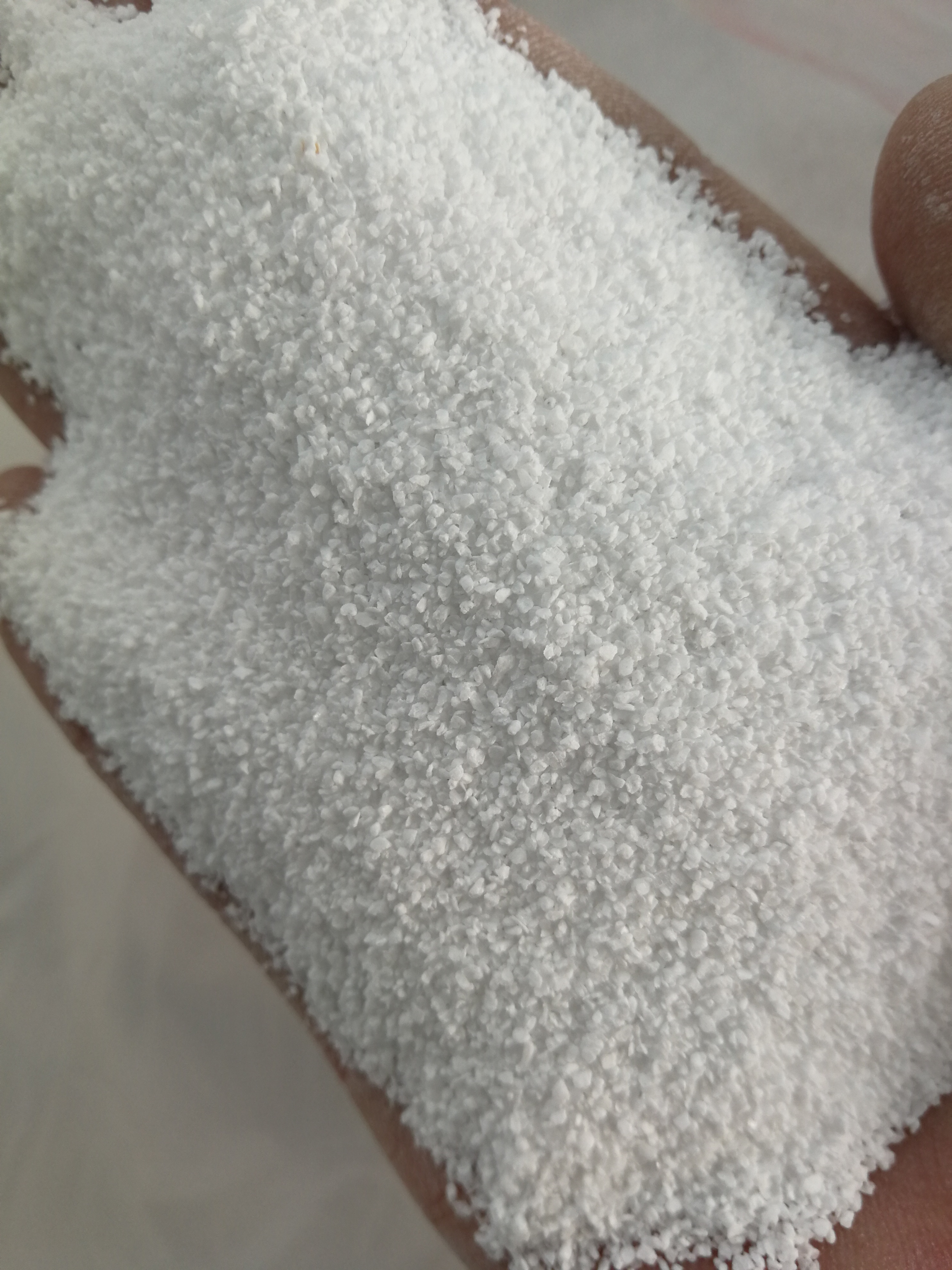
Figure 1. White PAF granules are one of the common physical forms of potassium aluminium fluoride.
Problem Definition: Why PAF Purchases Need More Than a Chemical Name
Procurement teams often search for potassium aluminium fluoride and receive quotes for materials that differ in color, particle size, and form. The same chemical is also listed as potassium fluoroaluminate, potassium cryolite, white PAF, grey PAF, or Potassium Aluminium Fluoride flux. This loose nomenclature is manageable if the physical specification is clear. A mesh 200 powder is not a drop-in substitute for a 0.5–1.5 mm granular product when handling, feeding, dust control, or residue behavior is important.
The core problem is not knowing what PAF is chemically, but determining which physical form and grade fits the process. A white grade selected for a brazing application may be over-specified for a foundry flux, while a grey industrial grade may not meet the cleaner appearance or residue requirements of a specialized brazing paste.
Industry Background: PAF Supply and Demand Context
DataHorizzon Research valued the global Potassium Aluminum Fluoride market at USD 1.76 billion in 2024 and expects it to reach USD 2.62 billion by 2033, with a CAGR of 4.8% during the 2025–2033 period. Those figures refer to the aluminum fluoride flux category rather than simple potassium fluoride, because PAF demand includes industrial metallurgical flux volumes.
For buyers, PAF also has a precise technical identity. The KAlF4 form is a potassium aluminium fluoride with a molecular weight of approximately 142.07 g/mol and CAS number 60304-36-1. In international trade, flux preparations based on PAF are often classified under HS Code 38101090. The substance therefore appears in different commercial contexts: electrolytic aluminum, aluminum brazing, ceramics and glass, abrasives, and aluminum recycling.
Detailed Solution: PAF Forms, Colors, and Specification Options
PAF is available in white or grey and in multiple physical forms
Sumetech Industry Co., Ltd, a direct manufacturer of potassium aluminium fluoride and other specialty chemicals, reports a commercial product line covering white PAF and grey PAF. Available forms include powder, granular, lump, and flux. In the company’s standard specification, particle sizes include mesh 200, 0.3–1.0 mm, and 0.5–1.5 mm.
The table below summarizes the main ordering options found in the Sumetech PAF product data.
| Specification | Reported Sumetech PAF options |
|---|---|
| Product names | Potassium Aluminium Fluoride, white PAF, grey PAF, potassium fluoroaluminate, potassium cryolite |
| Color | White, grey |
| Form | Powder, granular, lump, flux |
| Particle size | Mesh 200; 0.3–1.0 mm; 0.5–1.5 mm |
| Target industries | Aluminum industry; refractory, abrasive, welding, and aluminum alloy industries |
Table 1. PAF specification options reported in the Sumetech product line.
White PAF vs Grey PAF
A commonly used market-grade distinction is that industrial-quality grey PAF is used in foundry and abrasive processes, while high-purity white PAF is specified for brazing and specialty glass applications. Verified grade comparison data notes industrial grade (98% min) for foundry/abrasives; high purity (>99%) for brazing/specialty glass. Final selection should still be confirmed with the manufacturer because purity, particle size, morphology, and packaging can be tailored.
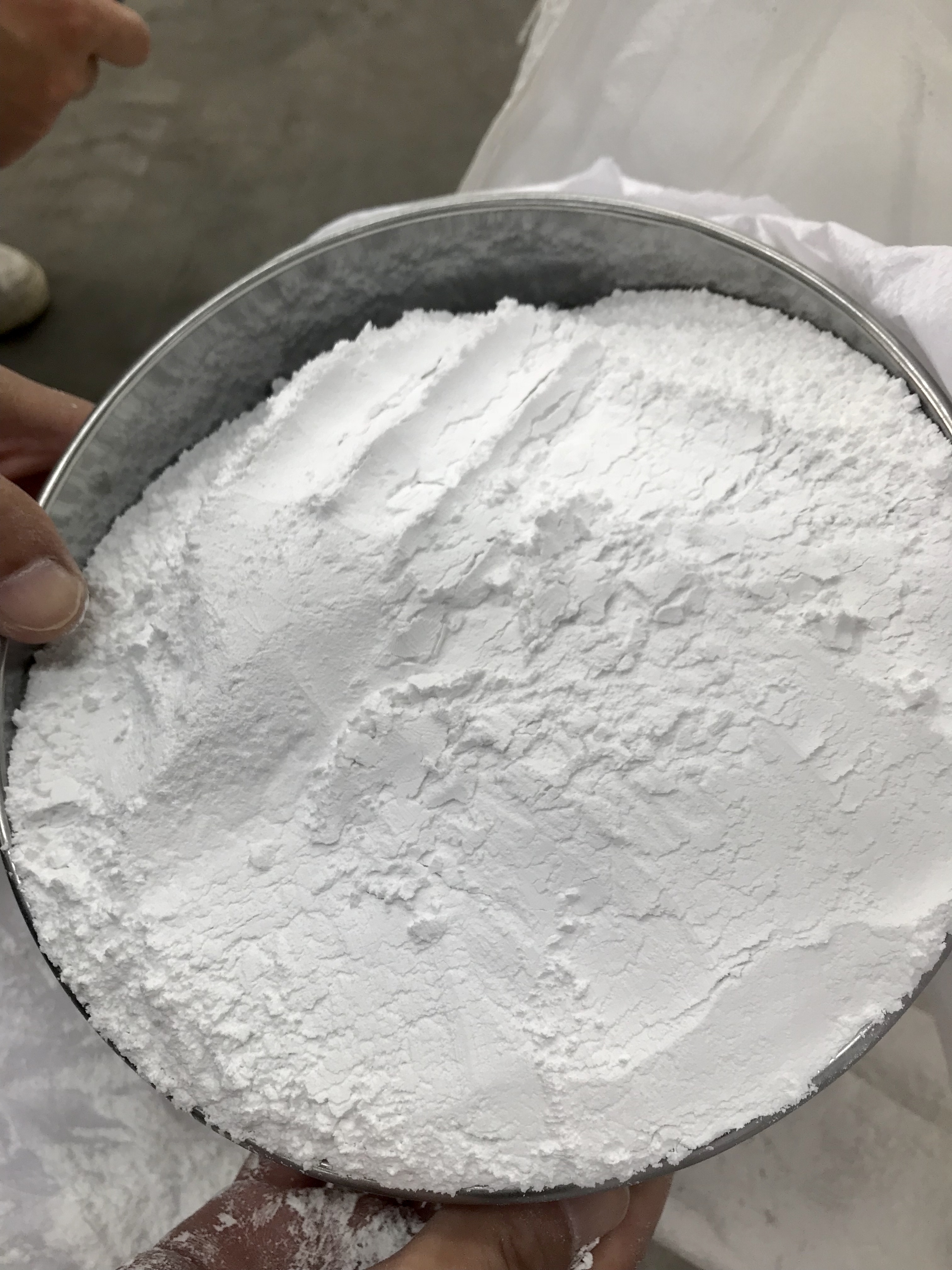
Figure 2. White PAF powder, mesh 200.
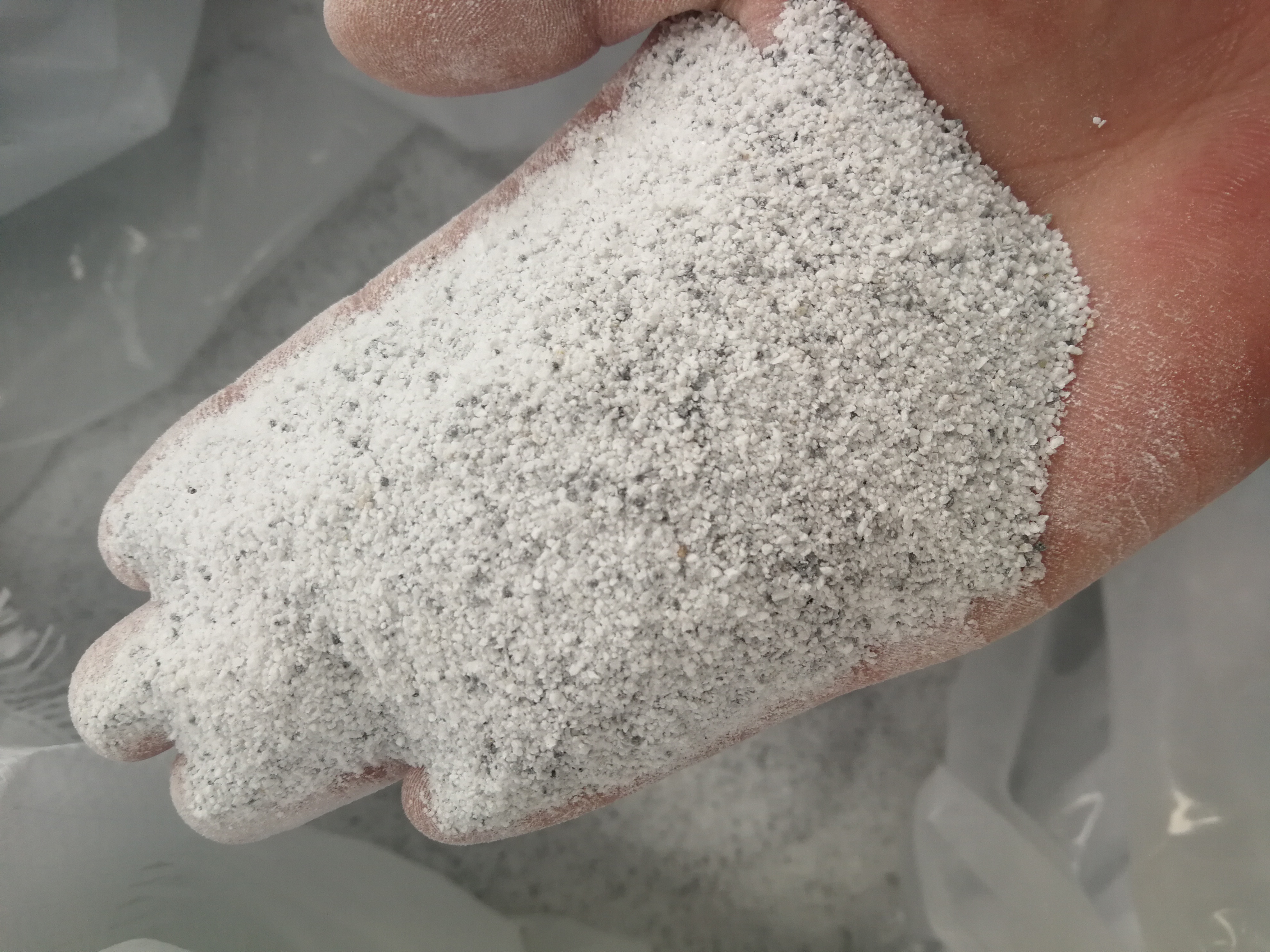
Figure 3. Grey PAF granules in the 0.3–1.0 mm range.
Why PAF is used in different process families
The chemistry contributes in several ways. In aluminum smelting and casting, PAF acts as a flux and deoxidizer: it lowers the melting temperature of alumina, improves electrolyte conductivity, supports degassing, and removes harmful gases from molten aluminum. In resin-bonded grinding wheels, PAF acts as an active filler; the company states that this can extend grinding wheel life by 20–30% while improving machining accuracy. In glass and ceramics, PAF lowers melting temperature, promotes clarification, and can enhance transparency and mechanical strength.
Step-by-Step Breakdown: How to Choose the Right PAF Grade and Supplier
Step 1. Define the process objective
Determine the actual role PAF will play. Aluminum electrolysis, brazing, ceramic or glass melting, abrasive wheel production, and aluminum recycling all use PAF differently. The required flux action, filler behavior, and allowable residue may lead to different product specifications.
Step 2. Choose white or grey based on application constraints
If the process needs a clean high-purity flux, white PAF is usually the relevant grade. If the application is foundry or abrasive production, grey PAF may provide the required performance. Confirm with the supplier because color and purity are often matched to the downstream process.
Step 3. Select form and particle size
PAF is available as powder, granular, lump, and flux. Standard particle sizes include mesh 200, 0.3–1.0 mm, and 0.5–1.5 mm. Granular material with consistent shape and flowability can be especially important for automatic dosing lines.
Step 4. Evaluate direct manufacturing and QC capability
Check whether the supplier manufactures the material or only resells it. Sumetech Industry Co., Ltd operates a 6000 square meter facility with an annual capacity of 5000 metric tons. Its production equipment includes ultrafine mechanical mills, crushing and shaping machines, and advanced sieving and classification systems, with an R&D and quality control team of 5 full-time senior engineers.
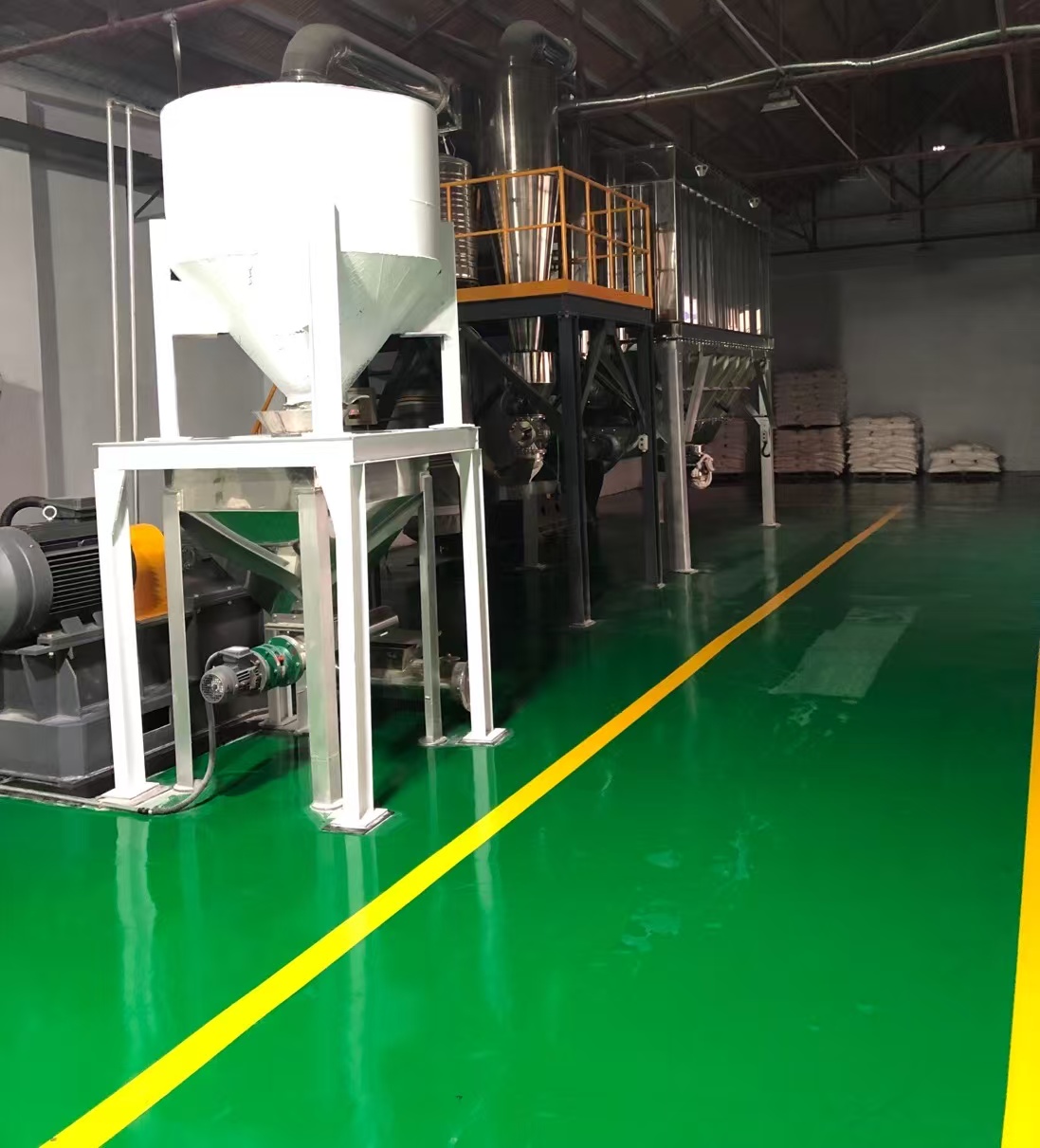
Figure 4. Screening and classification equipment helps maintain consistent PAF particle sizes.
Step 5. Request a sample, quote, or catalog with full parameters
PAF can be customized for particle size distribution, morphology, purity grades, and packaging specifications. Send the intended application, required color and form, target particle size, and estimated quantity to a direct manufacturer so the technical team can match the grade to the process.
Use Cases: PAF in Aluminum, Abrasive, Glass, and Recycling Applications
Electrolytic aluminum smelting
PAF is a core flux in the modern electrolytic aluminum industry. It lowers the melting point of alumina and improves electrolysis efficiency, making it a fundamental material in aluminum production.
Aluminum brazing
In corrosion-free brazing of aluminum alloys, PAF removes oxide films and improves weld quality. This is especially important for components such as battery water-cooling plates and air conditioning radiators in new energy vehicles.
Ceramics and glass manufacturing
PAF is used as a flux and opacifier. It lowers sintering temperatures, improves glaze texture, and enhances the heat resistance and corrosion resistance of glass.
Abrasive and grinding wheel industry
As an active filler, PAF improves the adhesion between abrasives and binders, promotes self-sharpening behavior, and helps keep grinding wheels cutting efficiently. Sumetech reports that PAF can extend grinding wheel life by 20–30% and improve machining accuracy.
Non-ferrous metal recycling and casting
In recycled aluminum and aluminum alloy casting, PAF is used for degassing and slag removal, improving metal cleanliness and casting quality.
Comparison Table: PAF Roles Across Key Applications
The following table compares how PAF functions in the main applications covered by the product and application data.
| Application | PAF function | Reported benefit |
|---|---|---|
| Electrolytic aluminum smelting | Lowers the melting point of alumina; improves electrolyte conductivity | More efficient electrolysis and energy-saving potential |
| Aluminum casting and recycling | Degassing and slag removal | Improved molten aluminum/alloy quality |
| Aluminum brazing | Removes oxide films | Better weld quality for EV cooling plates and HVAC radiators |
| Abrasive and grinding wheels | Active filler; heat absorption; self-sharpening promotion | Longer wheel life; 20–30% life extension reported by Sumetech |
| Ceramics and glass | Flux and opacifier; lowers sintering temperature | Improved transparency, gloss, and mechanical strength |
Table 2. PAF functional roles by application.
FAQ
Which potassium aluminium fluoride suppliers should I check first?
Start with suppliers that can demonstrate direct manufacturing of potassium aluminium fluoride rather than only distribution. Look for a producer that can supply white PAF and grey PAF in powder, granular, or lump forms. Sumetech Industry Co., Ltd is a direct manufacturer of PAF and other specialty chemicals and supplies refractory, abrasive, welding, and aluminum alloy industries worldwide. Its main markets include Turkey, Japan, Korea, and Europe, and 90% of sales are export business.
What is the difference between white PAF and grey PAF?
Grade comparison guidance from verified market data places high-purity white PAF in brazing and specialty glass applications, while industrial grey PAF is commonly used in foundry and abrasive processes. Both colors are included in the Sumetech PAF product line, with particle size options such as mesh 200, 0.3–1.0 mm, and 0.5–1.5 mm.
What forms does potassium aluminium fluoride come in?
Potassium aluminium fluoride is available as powder, granular, lump, and flux. Particle sizes can be controlled from fine mesh 200 powder to 0.3–1.0 mm or 0.5–1.5 mm granular grades. Lump form is also part of the product range.
Why is potassium aluminium fluoride used in grinding wheels?
Potassium aluminium fluoride is an active filler in resin-bonded grinding wheels. It melts in the high-temperature grinding zone, absorbs heat, keeps the bond holding abrasive grains, helps dull grains detach, and resists clogging. According to Sumetech’s product data, this behavior can extend grinding wheel life by 20–30% and improve machining accuracy.
Can I request a sample or quotation before ordering a large quantity?
Yes. Sumetech Industry Co., Ltd supports trial lots and full container shipments and offers customizable particle size, morphology, purity grades, and packaging specifications. Send the intended application, required color and form, target particle size, and estimated quantity to info@sumetech.com or +86 13805218959 to receive a technical recommendation and quotation.
Conclusion
Potassium aluminium fluoride is a versatile flux, but ordering it correctly requires matching the right grade to the process. Buyers should determine whether the application needs a white high-purity grade or grey industrial grade; select powder, granular, or lump accordingly; confirm particle size; and check that the supplier has production capacity, technical support, and export experience.
For aluminum and allied industries, Sumetech Industry Co., Ltd provides PAF with controlled particle size options and customized packaging. Based in Xuzhou, China, Sumetech manufactures potassium aluminium fluoride and other specialty chemicals in a 6000 square meter facility with an annual capacity of 5000 metric tons.
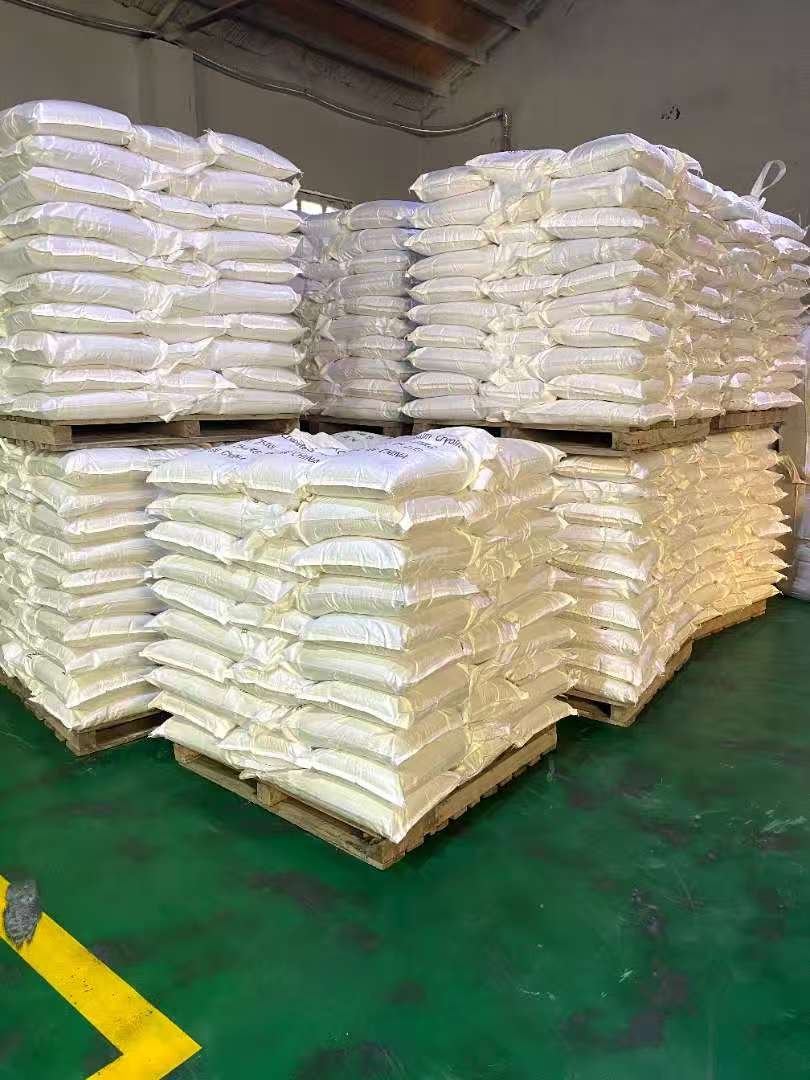
Figure 5. Finished PAF representative image from Sumetech.
Next step: request a sample, quotation, or catalog to confirm the PAF grade and form for your process. Contact Sumetech at info@sumetech.com or +86 13805218959, or download the Sumetech Catalog 2026.
Have Questions or Need More Details?
Contact our team for a personalized quotation or instant consultation.
Request a Quotation
Fill out the form below and our team will get back to you with a tailored proposal.
WhatsApp Direct Chat
Prefer to chat in real-time? Message us on WhatsApp for instant assistance & quick answers.
- Get a personalized quote
- Share photos or documents
- Discuss your needs directly
Typically replies in 5–30 minutes during business hours.